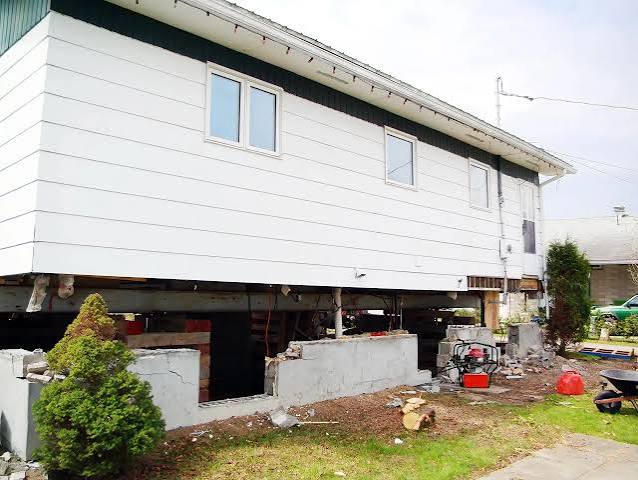
“`html
Foundation repair worth it before selling: 2026 cost vs price drop
⏱️ 8 min read · Last updated: 2026
Foundation repair worth it before selling is the first question most Midwest homeowners ask before listing. The short answer: yes, when the repair cost stays well below the likely buyer discount, the fix is documented, and the home passes lender review. In other words, foundation repair worth it before selling often comes down to whether a small investment prevents a much larger price cut later.
- Common Midwest pre-sale repair costs run $2,000 to $8,000 for crack repair, drainage corrections, or minor stabilization, while push piers often land around $1,500 to $3,000 per pier.
- Buyer price reductions for an unresolved foundation issue commonly land at 1x to 2x the seller’s repair quote because buyers price in risk, lender friction, and time.
- Visible structural distress can lower the appraiser’s condition rating and push value 2% to 10% below contract price.
- Seller disclosure rules in most Midwest states require you to disclose known foundation problems, even if you choose to sell as-is.
- A transferable warranty can help close a sale, but only if coverage transfers cleanly and the contractor still stands behind the work.
Is foundation repair worth it before selling? What the numbers say
Foundation repair is worth it before selling when the quote falls clearly below what a buyer would demand. A simple rule helps: if the fix costs under 50% to 70% of the expected price reduction, repairing usually wins. That comparison is the fastest way to decide whether to list after repairs or adjust your price instead.
From there, the real decision is how much uncertainty the home creates for buyers. A buyer who sees bowed walls, stair-step cracks, or water intrusion does not subtract only the contractor bid. They also subtract the hassle, lender risk, and the possibility that the problem worsens after closing. That is why a $7,500 repair can protect against a $12,000 to $18,000 value hit.
In the Midwest, push piers often cost $1,500 to $3,000 each, and a typical stabilization job needs 3 to 6 piers. Minor crack repair and drainage work usually run $2,000 to $8,000. Because prices vary by city, the numbers in foundation repair midwest cost help set realistic expectations before you list.
A visible foundation problem often costs a seller more than the repair itself because buyers price in uncertainty, lender friction, and inspection leverage.
Should I fix my foundation before selling or sell as-is?
After looking at the numbers, the next step is to decide whether the issue is manageable enough to repair. Fix it when the problem is localized, the house qualifies for normal financing, and the repair finishes before listing photos. Sell as-is when the damage is broad, the quote is large, or the timeline is too tight to coordinate work.
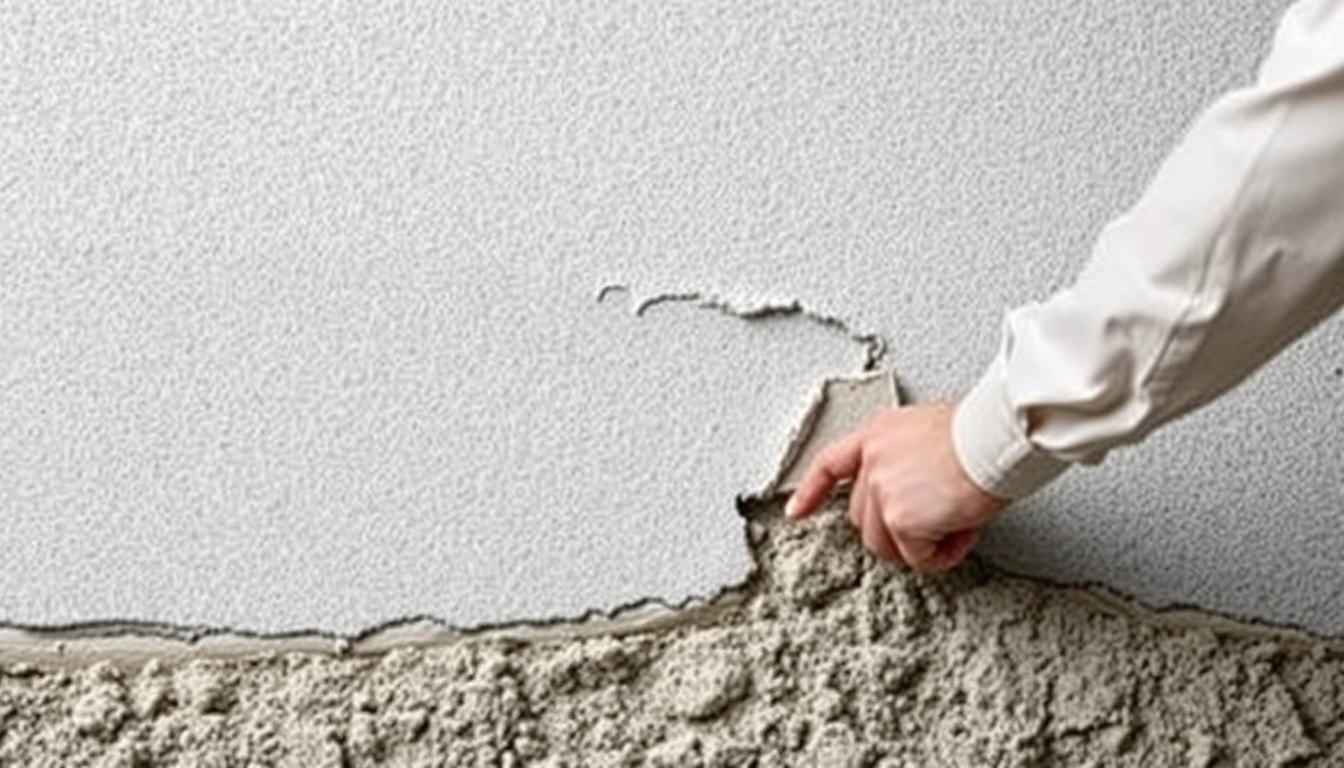
A hairline crack with a downspout dumping water at the corner calls for a quick repair. By contrast, when floors slope and doors stick throughout the house, the problem is larger and better handled through pricing and disclosure. If you can fix the issue in 2 to 4 weeks with a transferable warranty, pre-sale repair makes the listing easier to finance and defend during negotiation.
That is why the best choice is often the one that matches the scope of the damage. For a local, contained issue, a repair can preserve momentum and reduce buyer objections. For widespread movement, an honest as-is strategy usually keeps the sale moving without repeated renegotiation.
| Metric | Before | After | Change | Timeline |
|---|---|---|---|---|
| Buyer response | 3 showings, 0 offers | 8 showings, 2 offers | +5 showings | 21 days |
| Negotiation leverage | $14,000 reduction request | $4,000 credit request | -$10,000 | Inspection week |
| Time on market | 28 days | 11 days | -17 days | Month 2 |
What do appraisal and disclosure do to your sale price?
Once you know whether the issue is local or structural, appraisal and disclosure become the next factors that shape your net proceeds. The appraisal usually does not punish a neatly repaired crack. It punishes visible distress and uncertainty. Unresolved issues can push the home’s value down 2% to 10% in a soft market or when the lender requires extra documentation.
Seller disclosure adds another layer. In most Midwest states, you must disclose known foundation problems, even after repairs. “I fixed it” does not replace the disclosure form. A transferable warranty from a respected contractor reduces buyer fear by showing the repair was documented and remains backed after closing.
For buyers in Kansas City, the local price ranges in foundation repair cost kansas city help set expectations before you choose a strategy.
A repaired foundation with paperwork is easier to finance than an unrepaired foundation with a verbal promise.
The mistake that cost more than the repair
When sellers wait until after the first inspection, the delay often costs more than the repair. One seller lost 19 days, a contractor slot, and about $6,200 in extra concessions. The house eventually sold, but the final price was worse than if the seller had acted at the start.
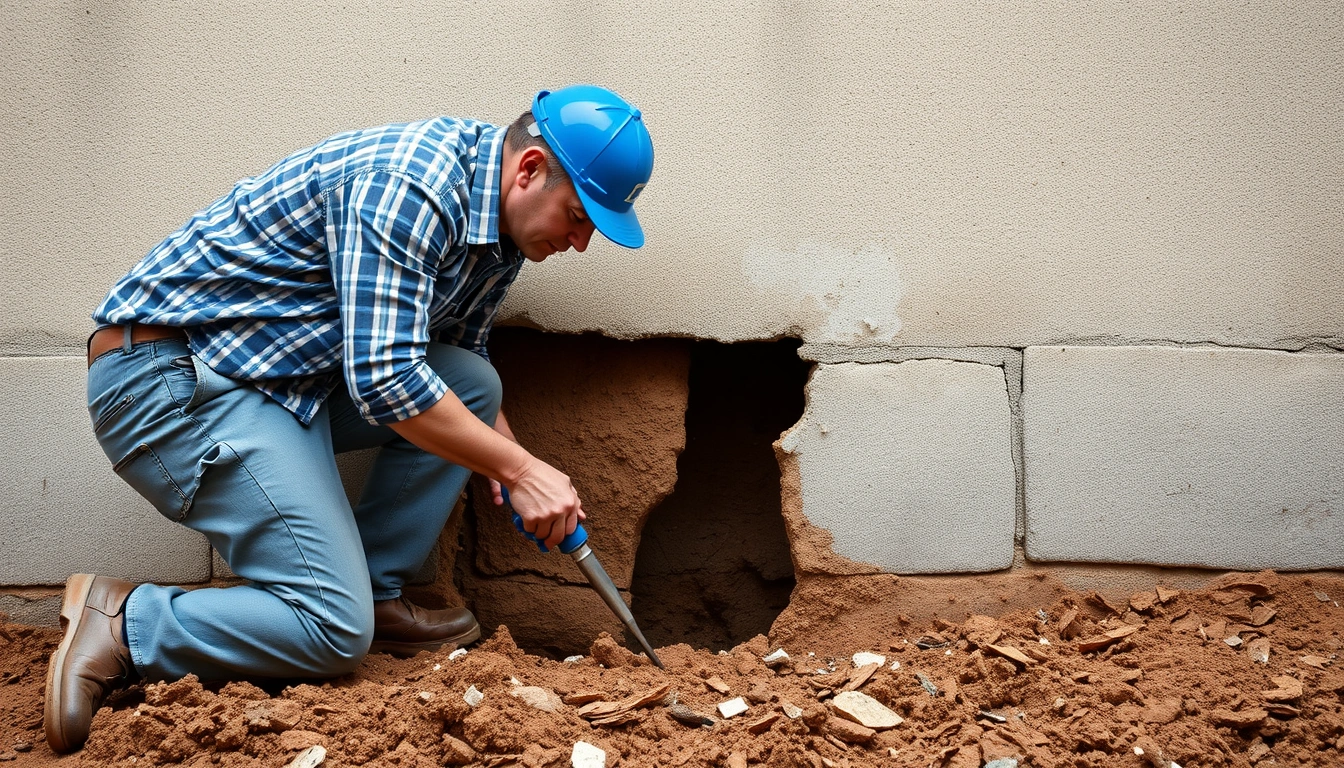
The delay began with optimism. A small crack was treated like a cosmetic issue, but the inspector found movement and moisture concerns that changed the negotiation. In that moment, the seller had less leverage and more pressure to respond quickly.
This is exactly why foundation repair worth it before selling is such a practical question. The repair does not just affect price; it can determine whether the deal stays alive. For local benchmarks, foundation repair cost des moines and foundation inspection what to expect help compare quotes against real Midwest expectations.
What the delay actually cost
The seller paid for a second inspection, a reissued estimate, and one price cut to keep the buyer at the table. Those extra costs stacked up faster than the foundation crack itself. Even more important, the longer the issue stayed unresolved, the harder it became to keep buyer confidence intact.
If you only have 30 days, what should you fix first?
With a short listing timeline, start with the cause before the symptom. Fix the water source first, then the structural symptom. Spend the first week on gutters, downspouts, grading, and any active leaks before spending money on cosmetic crack covers.
That order matters because water management is often the cheapest way to stabilize the story you are selling. A simple downspout extension can make a repaired crack look credible, while a fresh patch over a wet corner looks like a cover-up. Buyers notice the difference in about 30 seconds.
After water control, move to the item most likely to trigger the inspector: wall movement, sticking doors, step cracks, or visible slab separation. One documented fix beats three half-fixes and a long explanation.
- Week 1: divert water and document damage with dated photos.
- Week 2: get one structural bid and one independent inspection.
- Week 3: choose repair, sell-as-is pricing, or a credit strategy.
- Week 4: collect receipts, warranty terms, and permit records for the listing file.
Does foundation repair increase home resale value?
Yes, but not dollar for dollar. Foundation repair is worth it before selling because it preserves buyer confidence and reduces the discount buyers can justify. The value is in avoiding loss more than creating profit, especially when the repair removes a major objection before the first offer.
In the best case, a $9,000 repair prevents a $12,000 to $20,000 concession. In the weaker case, it only saves the seller from a slower sale and a tougher appraisal fight. Either way, the math often favors repairing when the fix is clean and documented, then presenting the home with clear records.
When the repair is clean and documented, the market often rewards certainty more than it rewards the repair invoice itself.
For broader cost context, the numbers in foundation repair midwest explain why sellers in different cities make different choices. Soil conditions, access, and local buyer expectations matter more than most national articles admit.
- Foundation repair worth it before selling when the repair costs less than the likely buyer discount.
- Seller disclosure still matters after repairs, especially for known movement or water intrusion.
- A transferable warranty helps, but only if the paperwork is clean and coverage transfers easily.
- For major structural damage, sell-as-is pricing can be safer than chasing a partial fix.
Common questions about foundation repair worth it before selling
Do I have to disclose foundation repair when selling?
Yes, if you know about the issue or the repair. In most Midwest markets, seller disclosure asks about structural problems, settlement, water intrusion, and prior repairs. Keep invoices, photos, and warranty papers with the file so you can answer accurately.
How do I decide between fixing and selling as-is?
Fix it if the repair is local, under control, and likely to finish in 2 to 4 weeks. Sell as-is if the damage is broad, the quote is large, or the buyer discount is likely to be easier than managing the work and re-inspection.
Repair before selling vs price reduction — which nets more?
Repair usually nets more when the fix costs less than about half of the likely buyer deduction. For example, a $6,000 repair that prevents a $14,000 reduction is usually better than giving the buyer a credit and hoping the appraisal holds.
Why do buyers back out over foundation issues?
They usually back out because the issue threatens financing, resale confidence, or future repair costs. Even a $500 crack can feel like a $15,000 problem if the inspection report suggests movement, moisture, or repeated patching without a real fix.
How much does pre-sale foundation repair cost?
Minor crack repair and drainage work often run $2,000 to $8,000. Push piers commonly cost $1,500 to $3,000 per pier, and larger projects can climb well past $10,000. The best estimate comes from one structural inspection and two bids.
Can a transferable warranty actually help the sale?
Yes, especially when the repair is recent and the contractor is well known. A transferable warranty does not erase disclosure, but it can reassure buyers that the repair is documented and backed after closing, which often shortens negotiations.
The bottom line
For most Midwest sellers, foundation repair worth it before selling when the fix is small to moderate, the damage is visible, and the repair protects you from a larger buyer discount. If the issue is major, unresolved, or likely to trigger financing trouble, selling as-is with a realistic price is often the cleaner path.
Do one thing this week: get a written structural opinion and one comparable repair bid, then compare that number to your likely price reduction. For city-level cost context, start with the Foundation Repair in the Midwest: Costs, Methods & When to Act by City pillar and use it to narrow your decision.
See also: foundation repair midwest cost
See also: foundation repair cost des moines
See also: foundation repair cost kansas city
Related: foundation repair cost omaha
Related: foundation problem statistics midwest
“`
See also: foundation repair midwest cost
See also: foundation repair cost omaha
See also: foundation repair cost des moines