Foundation inspection what to expect: costs, red flags, and who to trust
⏱️ 7 min read · Last updated: 2026
If you are searching for foundation inspection what to expect, the first question is whether you need a repair quote or a neutral diagnosis. A free contractor visit can be useful for pricing, but a structural engineer is the safer choice when you want an unbiased answer. Most foundation inspection visits take 30 to 90 minutes and end with photos, measurements, and either a verbal summary or a written foundation report.
- Engineer inspection cost: in most Midwest markets, a structural engineer inspection commonly runs $300 to $800.
- On-site time: a typical foundation inspection takes 30 to 90 minutes.
- Elevation survey detail: a typical survey uses 8 to 16 measurement points across the floor.
- Timeline detail: an elevation survey can add another 20 to 45 minutes.
- Repair impact: one avoided repair package would have landed near $4,800.
That choice matters because the wrong diagnosis can send you toward a repair you do not need. In many homes, the real issue is not the crack itself but the pattern around it, which is why foundation inspection what to expect is less about a quick glance and more about careful interpretation.
Here is how it usually unfolds. The inspector looks at the outside first, then checks the basement or crawl space, measures the problem areas, and explains what the evidence suggests. On Midwest homes, clay-heavy soils and drainage issues often shape the conclusion, so the walkaround matters as much as the crack.
What does a foundation inspection actually look like?
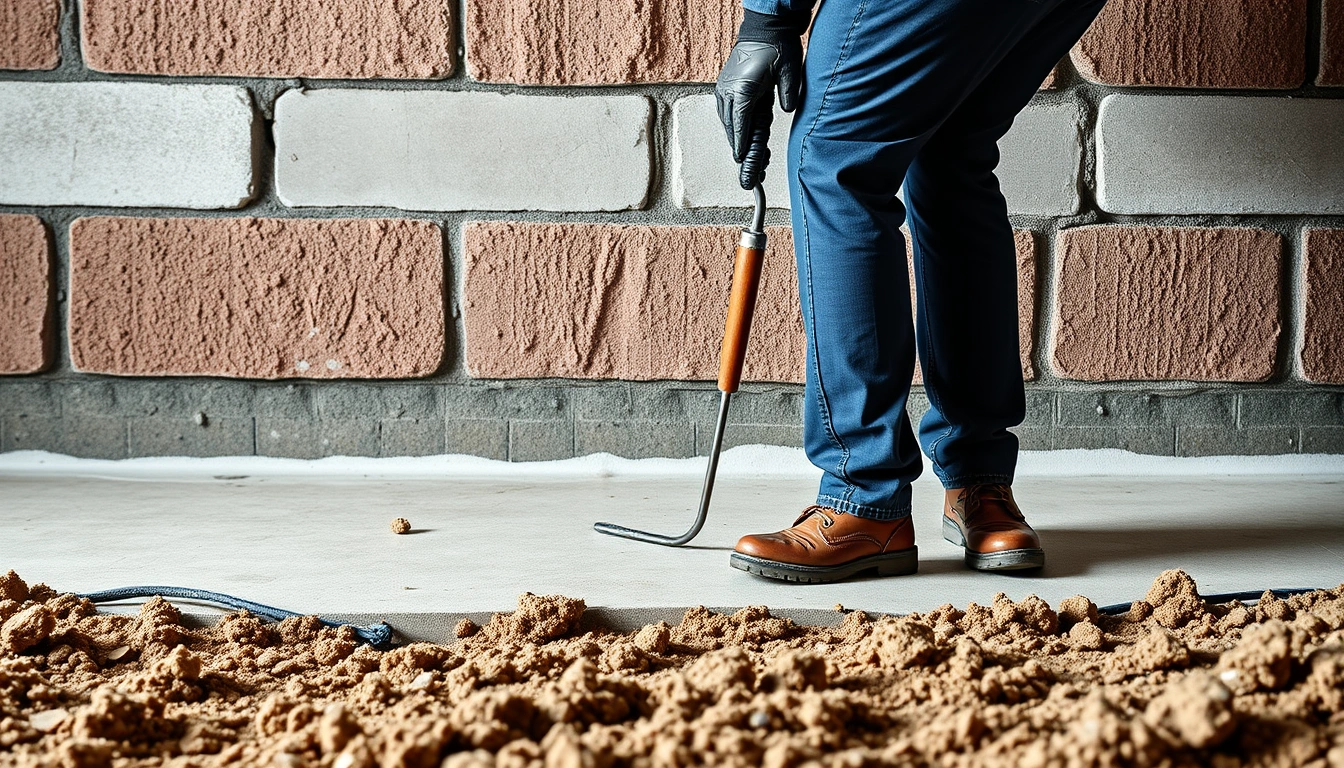
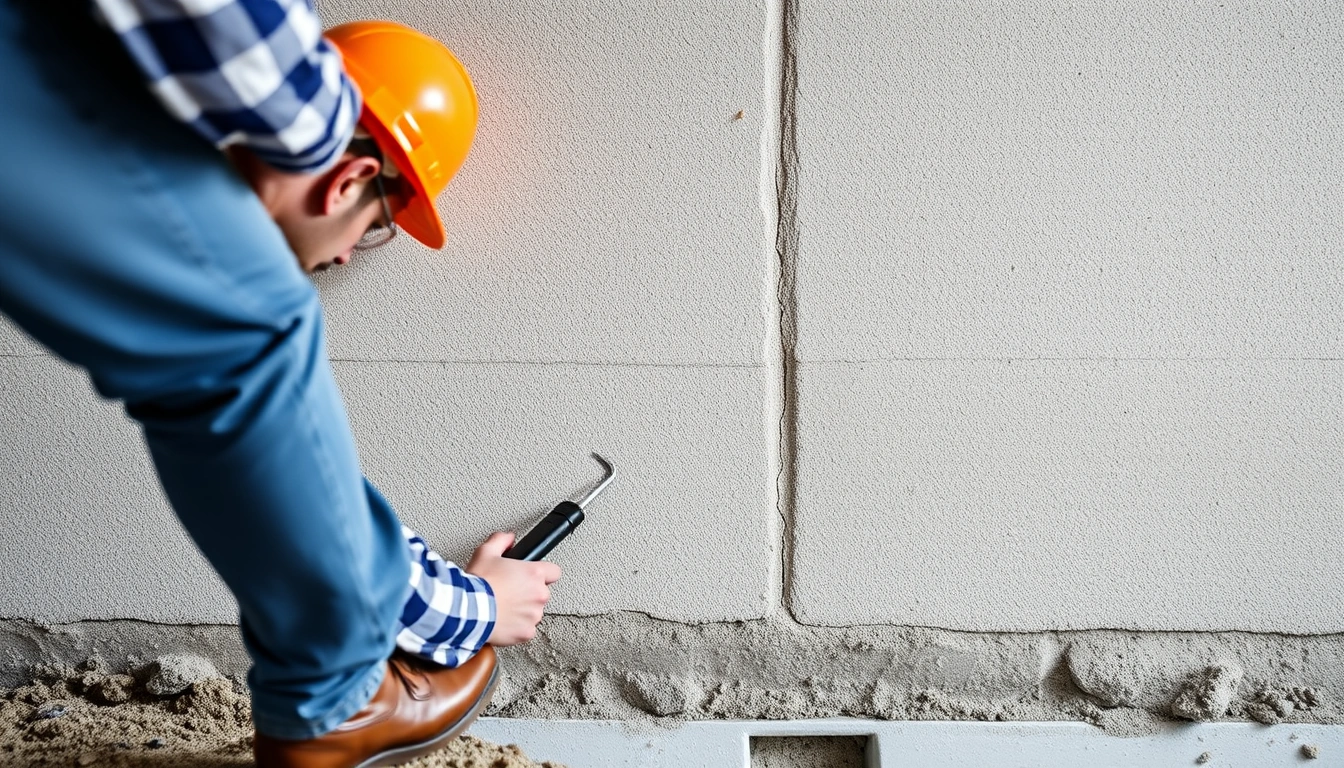
A foundation inspection usually starts outside, then moves through the basement or crawl space, and ends with measurements, photos, and a plain-English explanation. In most cases, a contractor or engineer spends 30 to 90 minutes on site, then delivers either a verbal summary or a written foundation report within a few days.
From there, the inspector looks for signs that fit together. Cracks, doors that bind, stair-step brick movement, sloping floors, gaps at trim, and water entry all help tell the story. On Midwest homes, inspectors often spend more time checking soil and drainage around the outside than staring at the crack itself, because soil movement often explains what the wall is doing.
A good inspection is not “your wall has a crack.” It is “this crack matches this slope, and this slope likely comes from this soil or moisture pattern.”
If the house looks borderline, the inspector may recommend an elevation survey or a second opinion from a structural engineer before anyone talks about piers, wall anchors, or waterproofing. That pause is usually worth it, especially if the home is over 25 years old or you are in the middle of a sale.
Good inspectors also look for pattern. Pattern turns a guess into a usable foundation report, which is why the visit is more useful when you can connect each symptom to the next.
| Metric | Before | After | Change | Timeline |
|---|---|---|---|---|
| Confidence in the diagnosis | “Maybe it is settling” | “Likely lateral pressure from wet soil” | Clearer cause | Same day |
| Repair path | Unknown | Repair vs. monitor decision | Actionable next step | 1 to 3 days |
| Measurement method | Visual only | Visual plus level readings | More precise | 30 to 90 minutes |
Is a free foundation inspection reliable or biased?
A free inspection can be reliable for spotting obvious repair needs, but it is not neutral. The company offering the free visit usually also sells the repair, so the recommendation can lean toward a solution it can install.
That does not mean every free inspection is a sales pitch. It means you should treat it like a contractor estimate, not an independent diagnosis, especially if the house is for sale, the crack is new, or the first inspector recommends thousands of dollars in work.
I have seen free inspection recommendations go two ways in the same neighborhood: one company suggested $2,400 in carbon-fiber straps, while a later structural engineer inspection said monitoring and drainage changes were enough for now. Same crack, different incentive. That gap is why neutral review matters.
Use a free inspection when you already know you want a repair quote. Pay for a structural engineer when you need a diagnosis that stands alone. That split saves time and stops you from paying twice for the same problem.
For more context on repair pricing by region, I keep a local reference open for foundation repair cost des moines and a broader Midwest overview at foundation repair midwest.
Why does an elevation survey change the call?
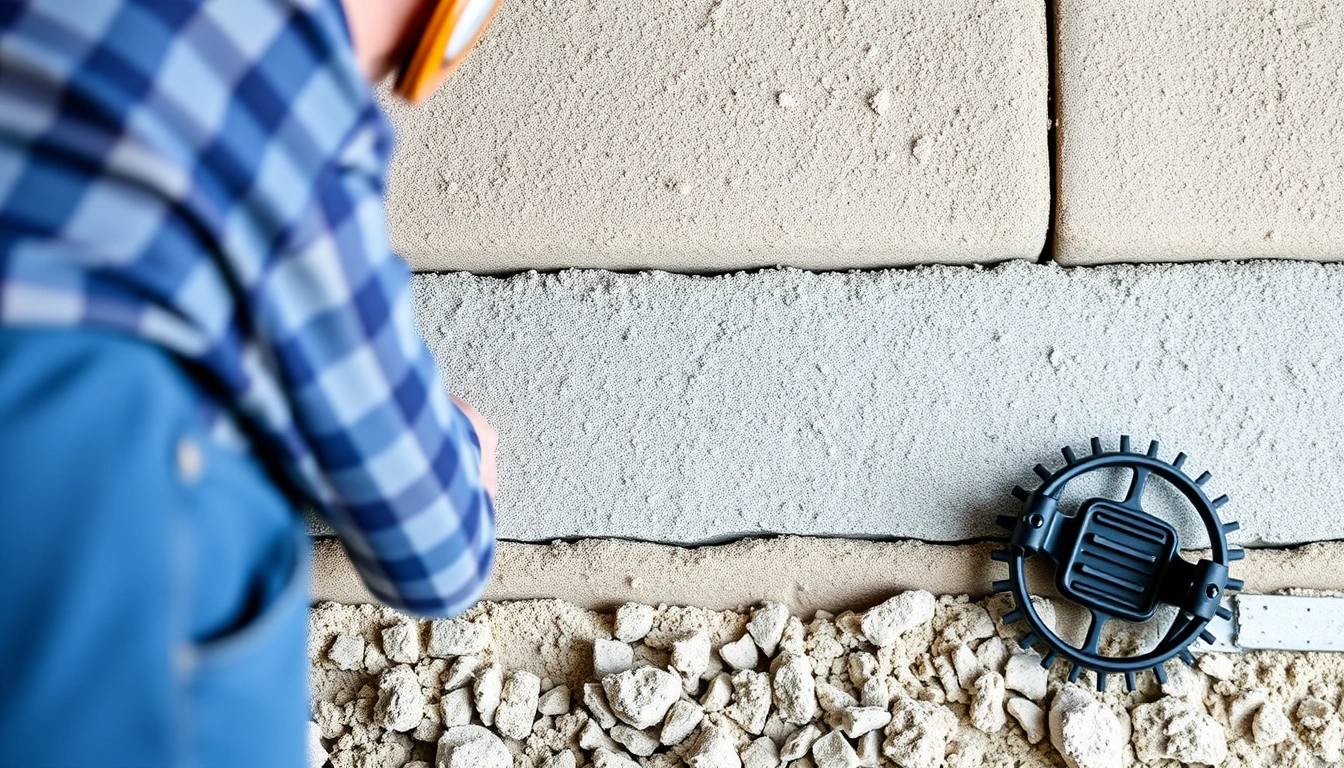
An elevation survey matters because it shows whether the floor is actually moving and where it is dropping. Instead of relying on one crack or one sticky door, the survey maps floor heights across multiple points, usually 8 to 16 readings in a typical home.
That number is the point. A crack can be old, but an elevation survey reveals slope patterns that often point to ongoing settlement or heave. In practice, I have seen an elevation survey settle a debate in under an hour by showing a 0.6-inch drop across one room and almost nothing in the adjacent hall.
An elevation survey is most useful when the story is messy: doors stick, trim gaps are uneven, and no one agrees whether the foundation is still moving.
That makes it especially helpful in older Midwest homes, where seasonal moisture swings can exaggerate symptoms. A paid foundation report that includes the survey can save you from overreacting to cosmetic cracks or underreacting to real movement.
If you are comparing the outside of the house with the inside, photos help too. I keep a reference page for signs foundation failure because visual patterns are easier to judge when you have seen a few real examples side by side.
That is why the survey is worth paying for when the stakes are high. It answers a different question than a visual inspection: not “what cracked?” but “what moved, how far, and is it still moving?”
What was the mistake that cost time and money?
The biggest mistake was accepting the first diagnosis without asking what evidence supported it. The first company gave me a free inspection, said the wall was failing, and pushed straight to a repair bid before anyone mentioned an elevation survey or a structural engineer.
I paid for a second opinion three days later, and that decision cost me $425 in engineer fees plus about 6 hours of scheduling and follow-up. The surprise was not that the second opinion was different; the surprise was how much more specific it was.
The structural engineer found that the crack pattern matched drainage issues and localized movement, not a full-wall failure. The written foundation report recommended grading correction, gutter extensions, and monitoring for 90 days before any structural repair. That saved me from a repair package that would have landed near $4,800.
What changed after the second look
Within Week 1, I moved downspouts 6 to 8 feet away from the foundation and re-checked the same crack every seven days. By Month 2, the door that had been binding twice a week was sticking only once every two weeks.
By Day 90, the crack had not disappeared, but it had stopped spreading enough to justify immediate structural work. That is the part people hate hearing: sometimes the best fix is a measured pause, not a fast repair.
| Metric | Before | After | Change | Timeline |
|---|---|---|---|---|
| First repair quote | $0 | $4,800 avoided | Major savings | 3 days |
| Inspection cost | Free inspection only | $425 structural engineer | Paid for clarity | Same week |
| Door sticking | 2 times per week | 1 time every 2 weeks | Improved | 90 days |
The lesson was simple. A free inspection can start the process, but if the recommendation jumps quickly to major repairs, pay for a neutral structural engineer before you sign anything. That one step is often cheaper than being wrong.
What does a foundation inspection cost and how long does it take in 2026?
In 2026, a typical foundation inspection costs $0 for a contractor visit or about $300 to $800 for a structural engineer inspection in the Midwest. A more complex house or crawl space access issue can push the price higher, especially if a written foundation report and an elevation survey are included.
Most appointments are scheduled within 3 to 10 days, and the report usually arrives within 1 to 5 business days. A free inspection is faster to book, but the trade-off is that it usually ends with a sales-oriented estimate rather than an independent diagnosis.
If the home has a crawl space, the inspection can also lead into moisture work instead of structural repair. That is where a reference like crawl space encapsulation becomes useful, because damp soil and sagging supports often show up together in Midwest houses.
The cheapest visit is not always the cheapest decision. In a real estate deal, a $425 engineer inspection can protect you from a five-figure repair error.
If you only need a repair estimate for a known issue, the free inspection may be enough. If you need to answer “Is this serious?” the paid path usually pays for itself in avoided guesswork.
One quotable rule: pay for a structural engineer when the decision could change the purchase, sale, or legal record of the home; use a free inspection when you already know you want repair pricing.
When should I get a foundation inspection?
You should get a foundation inspection as soon as a crack changes, a door starts sticking, or a floor begins to slope more than it did before. Those three changes matter more than the age of the house, because active movement is the real trigger.
In practical terms, book one within 7 days if a crack is wider than 1/4 inch, if stair-step brick cracking appears, or if a basement wall starts bowing inward. For a sale, schedule it before you list or immediately after a buyer inspection raises the issue.
Another good time is after heavy rain, a long dry spell, or a sudden plumbing leak. Midwest clay soil reacts fast, so the timing of the symptom often tells you more than the symptom itself.
- Book now if a crack is growing month to month.
- Book now if doors or windows changed in the last 30 days.
- Book now if the home is under contract and the issue affects financing.
- Wait only if the mark is cosmetic, unchanged for 6 to 12 months, and the engineer says to monitor it.
For photos that help you judge whether what you are seeing is cosmetic or structural, compare them with signs of foundation failure photos. Visual comparison can save you from paying for the wrong type of inspection first.
Common questions about foundation inspection what to expect
What happens during a foundation inspection?
The inspector checks cracks, floor slope, wall movement, drainage, and crawl space or basement conditions. A free inspection usually ends with a repair estimate, while a structural engineer inspection often includes measurements and a written foundation report. The visit typically takes 30 to 90 minutes.
How do I schedule a foundation inspection?
Start by choosing your goal: repair quote, neutral diagnosis, or real estate documentation. Then book a free inspection with a repair company or hire a structural engineer directly. In most Midwest markets, appointments are available within 3 to 10 days, and paid reports usually arrive within a week.
Free contractor inspection vs paid engineer — which should I trust?
Trust the free inspection for a repair estimate, but trust a structural engineer when you need an unbiased diagnosis. A contractor has a repair product to sell; a structural engineer usually does not. If the recommended fix costs more than about $2,000, I would strongly consider the paid opinion.
Why did two inspections give different results?
Two inspections can differ because one is sales-focused and the other is diagnostic, or because one used an elevation survey and the other did not. In Midwest homes, soil moisture, seasonal movement, and access limitations can also change the conclusion. That is why photos, measurements, and a foundation report matter.
How much does a foundation inspection cost?
A free inspection costs $0, but it is usually tied to a repair quote. A structural engineer inspection commonly costs $300 to $800 in the Midwest, and an elevation survey can add more if separate measurements are needed. Costs can also change with access, home size, and whether the visit is part of a sale.
Do I need an elevation survey before repair work?
You need an elevation survey when the movement is unclear, when multiple rooms show symptoms, or when you want proof of active settlement. The survey often uses 8 to 16 points across the floor and helps separate old cosmetic cracking from ongoing structural movement. It is especially useful before signing a repair contract.
- A free inspection is useful for a repair estimate, but it is not neutral.
- A structural engineer inspection usually costs $300 to $800 and is worth it when the decision matters.
- An elevation survey can show whether the house is still moving, not just where the cracks are.
- If a recommendation jumps straight to a major repair, get a second opinion before you sign.
The bottom line
For foundation inspection what to expect in 2026, the smartest move is to match the inspection type to the decision in front of you. If you want a bid, a free inspection is fine. If you need a neutral answer, pay the structural engineer and ask for an elevation survey if the movement is unclear.
Pick one thing from this article and try it this week. Start with the photos, or schedule the paid opinion before you agree to repairs. Then compare it against the Midwest city-by-city guidance in Foundation Repair in the Midwest: Costs, Methods & When to Act by City.
See also: foundation repair cost des moines
See also: foundation repair midwest cost
See also: signs of foundation failure photos
Related: helical pier capacity
Related: when to worry about foundation cracks
Related: bowing basement wall repair cost
See also: foundation repair midwest cost
See also: foundation repair worth it before selling
See also: foundation repair cost des moines