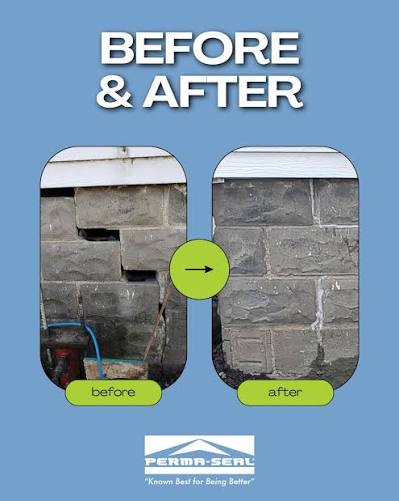
When to worry about foundation cracks: 6 signs I trust
⏱️ 9 min read · Last updated: 2026
When to worry about foundation cracks depends on three things: direction, width, and movement. If you are trying to judge a crack in your home, the safest approach is to measure it first and then watch for change. Horizontal cracks, widening stair-step cracks, and vertical cracks wider than about 1/8 inch deserve the most attention, especially if they leak, bow, or change after rain or freeze-thaw cycles.
- A horizontal crack is the most urgent pattern because soil pressure can push a wall inward before the crack looks large.
- A vertical crack wider than about 1/8 inch is the point where most homeowners should stop guessing and start monitoring or calling a pro.
- A crack width gauge gives a repeatable measurement in minutes and removes the “it looks bigger” argument.
- For a changing crack, I check it every 2 weeks for 8 weeks; if it moves, I shorten the interval and call sooner.
- In many Midwest homes, settlement-related cracks show up after wet springs, dry summers, or freeze-thaw cycles, not just old age.
The crack ran from the garage wall toward the window well, and it looked harmless until I put a ruler on it. It was just under 1/4 inch at the widest point, which is exactly why when to worry about foundation cracks is less about panic and more about measurement.
That difference matters because one crack can stay cosmetic for years while another means the wall is being pushed. In 2026, the best way to tell the difference is still direction, width, and whether the crack changes after rain or a freeze-thaw swing. A local quote I saw last spring came in at $1,850 for wall stabilization, which was far cheaper than waiting for the bow to get worse.
Which foundation cracks are dangerous and which are normal?
A horizontal crack is the one I treat as urgent first because it often points to outside pressure pushing the wall inward. A stair-step crack in block or brick can be serious too, especially if it widens at the top or bottom, while many vertical crack patterns are less urgent if they stay narrow and unchanged.
Here is the short version I use in real life: a vertical crack under 1/8 inch that has stayed stable through two seasons is often a monitor-and-watch case, while a horizontal crack in the same wall is usually a call-now case. That is the cleanest way I have found to answer when to worry about foundation cracks without turning every hairline line into a crisis.
| Crack type | Typical urgency | What usually matters most | Action |
|---|---|---|---|
| Vertical crack | Lower, if narrow and stable | Width and whether it changes | Monitor with a crack width gauge |
| Stair-step crack | Medium to high | Movement, offset, and wall material | Inspect soon |
| Horizontal crack | High | Wall pressure and inward bowing | Call a foundation company |
A crack’s orientation tells you more than its appearance: horizontal cracks usually deserve faster action than vertical cracks, even when the vertical crack looks uglier.
That rule becomes even more useful in the Midwest, where soil and seasonal weather can make a small crack change faster than expected. Expansive clay and repeated wet-dry cycles can make a new line look minor one month and more serious the next.

How I measure a crack before I call anyone
Once I know the crack type, I measure the width first and then check whether the wall is bowed, leaking, or separating from trim. A crack width gauge is the simplest tool here because it lets you compare the same point over time instead of trusting memory.
If you are deciding when to worry about foundation cracks, a crack width gauge makes that choice much clearer. I check the widest point, note the date, and inspect again in 2 weeks if it is near 1/8 inch; if it is closer to 1/4 inch or has any offset, I move faster.
The best part is that this takes the emotion out of the decision. I have measured the same crack three times in one day and gotten three different answers by eye; with a gauge, the reading stays consistent enough to spot real change.
If you want a stronger visual baseline, I keep a folder of signs of foundation failure photos and compare the crack angle, wall bow, and location against those examples before I call. A crack near a corner, a window, or a garage opening gets more attention than one in the middle of a short wall.
My rule for a vertical crack
A vertical crack under about 1/8 inch is usually a monitor case if it stays dry and the doors still close normally. Once a vertical crack passes that width, or grows by even 1/16 inch across a season, I stop treating it as cosmetic.
What makes a stair-step crack different
A stair-step crack often follows mortar joints, which means the wall has been stressed where the blocks meet. If the steps are wider on one side, or if the crack spreads after heavy rain, that is a stronger warning than the same width in a straight vertical line.
What happened over 8 weeks of monitoring
After the first measurement, the crack did not change in Week 1, which is exactly why I did not rush into repair. By Week 2, the bottom edge had grown by about 1/32 inch after two heavy rain days, and by Month 2 the same line was opening again after a dry spell.
That pattern mattered more than the original size. In the Midwest, seasonal swing often tells the real story: the wall moves during wet periods, dries out, and then moves again, which is why I use an 8-week check before I decide whether to escalate a stable-looking vertical crack.
My monitoring rule is simple: check every 2 weeks for 8 weeks, and shorten that window to 1 week if the crack is horizontal or leaking.
By Day 90, I had enough data to separate a slow settlement crack from an active structural problem. That is the real value of timing: a narrow crack that stays identical for 8 weeks is a different animal from one that changes after the first hard rain.
If the crack sits in a basement wall, I also check moisture and drainage. A downspout that dumps water 2 feet from the foundation can make a stable crack start moving within one season, and that is a repair problem you can sometimes slow before you pay for structural work.

The mistake that cost me time and money
The mistake was assuming the crack was only a surface issue because the drywall looked fine. That saved me nothing, because the basement wall was the part moving, and the first visible sign on the inside showed up 6 weeks later as a slightly sticky door and a gap at the trim.
I lost about $240 in a failed patching attempt, plus two weeks of waiting for the caulk and paint to tell me something they never could. The bigger cost was delay: by the time I had a real inspection, the bowing was easier to measure and the repair quote was already higher than the first one I had been given.
This is where the honest lesson lives. The best time to act is not when the crack looks dramatic; it is when the measurements start changing, because movement is what turns a cosmetic line into a structural problem.
If you are still unsure, a professional inspection is often cheaper than guessing for another month. I found a helpful breakdown of foundation inspection what to expect before I booked, and the best inspections I have seen include measurements, wall-bow checks, and drainage review.
What repair costs looked like in the Midwest
In the Midwest, the cost usually follows the problem type, not the crack length. A small sealing job might stay in the low hundreds, but wall stabilization, piering, or brace systems can move into the low thousands fast, especially if the issue has been ignored.
That is why the next step after you decide when to worry about foundation cracks is to compare the quote against the likely repair type. The quote I saw for a basement wall repair in Des Moines came in at $1,850, while another homeowner’s broader fix with drainage work was closer to $4,600. For local budgeting, the foundation repair cost page is a better starting point than guessing from national averages, because city-by-city pricing can vary a lot.
| Metric | Before | After | Change | Timeline |
|---|---|---|---|---|
| Crack width | Just under 1/8 inch | About 1/4 inch at the widest point | +1/8 inch | 8 weeks |
| Wall condition | No visible bow | Measured inward movement | Structural concern | Month 2 |
| Action needed | Monitor | Inspection and repair quote | Escalated | By Day 90 |
If you want a broader Midwest pricing frame, I would also compare your local quote against the wider foundation repair midwest cost range before signing anything. One quote can be fair and still be high if the scope is larger than the actual problem.
The repair number that matters is not the first quote; it is the quote that matches the crack type, wall movement, and drainage conditions you actually have.
In 2026, I would not call a crack “safe” just because it is narrow. I would call it low-risk only if it is vertical, under 1/8 inch, dry, and unchanged over at least 8 weeks.
Which foundation cracks are dangerous and which are normal?
The dangerous ones are horizontal cracks, stair-step cracks that are widening, and any crack that shows movement plus moisture or wall bowing. The more normal ones are narrow vertical crack lines that stay stable through a full season and do not affect doors, floors, or trim.
That said, a “normal” crack can still be a signal to watch. A new vertical crack in a basement built on clay soil is often less urgent than a horizontal crack, but it still deserves measurement, photos, and a 2-week recheck.
How much does it cost to fix a serious crack?
Serious crack repairs commonly land from the low hundreds for sealing to several thousand dollars for stabilization, drainage, or pier work. The price depends on whether the issue is cosmetic, settlement-related, or caused by lateral soil pressure, which is why orientation matters before cost.
If you are trying to budget for a possible repair, ask whether the estimate covers sealing, structural support, and drainage correction separately. Those are not the same fix, and bundling them without explanation is how homeowners end up paying for the wrong solution.
- Horizontal crack patterns are more urgent than vertical crack patterns, even when the line is shorter.
- A vertical crack wider than about 1/8 inch deserves closer attention, especially if it keeps growing.
- Use a crack width gauge and recheck every 2 weeks for 8 weeks to separate old damage from active movement.
- If the crack changes with rain, leaks, or bows the wall, call a foundation company sooner rather than later.
Common Questions About when to worry about foundation cracks
What foundation cracks are serious?
Horizontal cracks, widening stair-step cracks, and any crack with inward wall movement are serious. A vertical crack can also be serious if it is wider than about 1/8 inch, leaks, or keeps growing over 2 to 8 weeks. Movement matters more than appearance.
How to monitor a foundation crack over time?
Mark both ends, photograph the crack with a ruler, and measure the width with a crack width gauge every 2 weeks. If the crack extends past your marks, widens by 1/16 inch or more, or starts leaking, shorten the interval and call a pro.
Horizontal vs vertical cracks — which is worse?
A horizontal crack is usually worse because it often means soil pressure is pushing the wall inward. A vertical crack is more often a settlement or shrinkage issue, and many vertical crack lines stay stable if they remain under about 1/8 inch.
Why is my crack getting wider each season?
Seasonal widening usually points to soil movement from wet-dry cycles, freeze-thaw, or poor drainage. In the Midwest, that pattern is common. If the crack opens after rain and closes a little during dry periods, the soil around the foundation is probably changing.
How much does it cost to fix a serious crack?
Serious crack repair commonly ranges from a few hundred dollars for sealing to several thousand dollars for structural stabilization or drainage correction. Wall braces, piering, or carbon reinforcement cost more than patching because they address movement, not just the visible line.
The bottom line
When to worry about foundation cracks comes down to three things: direction, width, and movement. A horizontal crack, a stair-step crack that grows, or a vertical crack wider than about 1/8 inch deserves a professional look, especially if it leaks or affects doors and floors.
Pick one thing from this article and try it this week: measure the crack with a crack width gauge, take three photos, and recheck it in 2 weeks. If you want the broader cost and timing picture, start with the Foundation Repair in the Midwest: Costs, Methods & When to Act by City pillar and compare it to your city.
For visual help, compare your wall against signs foundation failure before you guess at the meaning of a crack.
For local pricing questions, I keep foundation repair midwest cost handy when I am comparing quotes, because Midwest repairs are usually priced by cause, not just by crack length.
For homeowners who want a city-specific number first, foundation repair cost in Des Moines is a useful benchmark before scheduling an inspection.
See also: foundation repair midwest cost
See also: signs of foundation failure photos
See also: foundation repair cost des moines
Related: bowing basement wall repair cost
Related: foundation repair cost kansas city
Related: foundation repair worth it before selling
See also: signs of foundation failure photos
See also: foundation repair midwest cost
See also: foundation repair worth it before selling