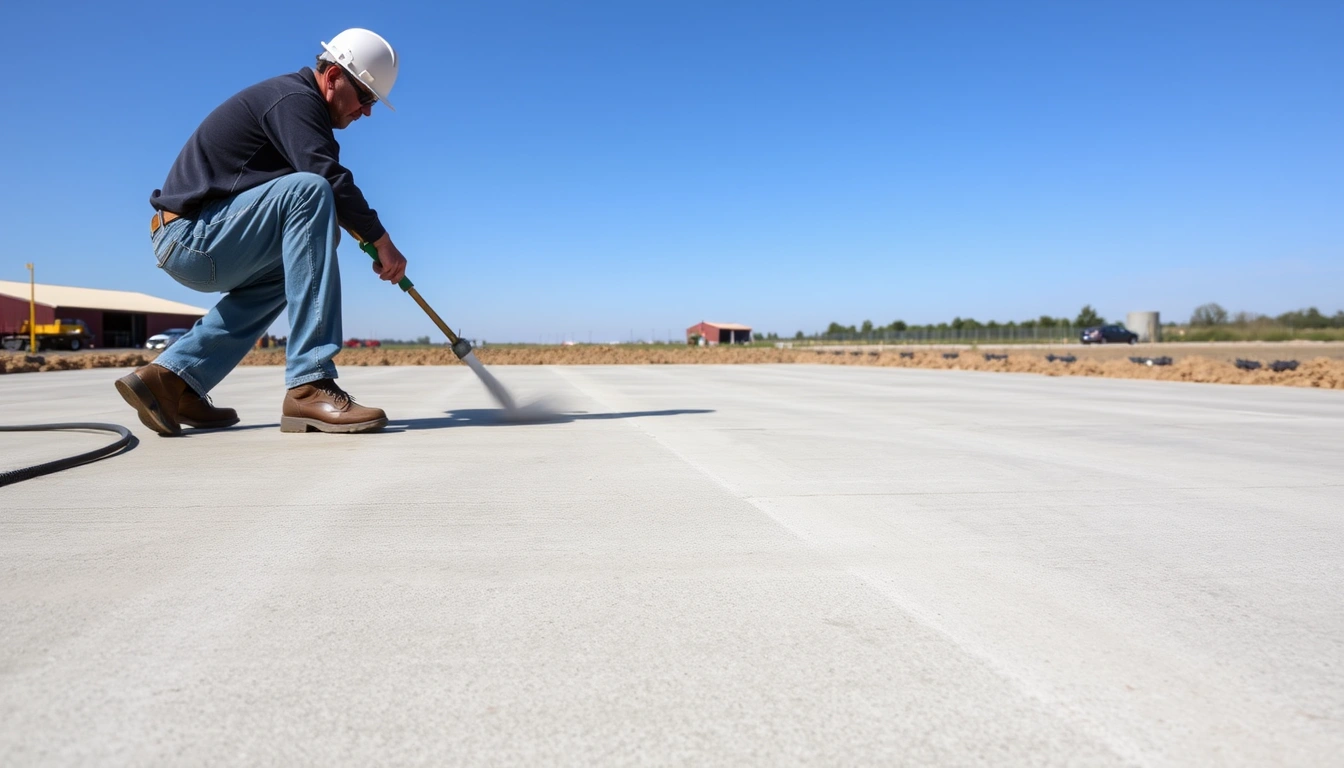
concrete leveling midwest cost: 2026 prices by state
⏱️ 15 min read · Last updated: 2026
- National average cost to level or mudjack concrete: $1,230, with most homeowners spending $661 to $1,868 per project.
- Concrete leveling cost per square foot: $3 to $12, depending on method, slab size, and access.
- A full 450 sq ft driveway typically costs $1,500 to $3,000 to mudjack and $3,200 to $7,500 to foam jack.
- Polyjacking with polyurethane foam injection usually lasts 10–15 years or longer; mudjacking usually lasts 5–10 years.
- Frost line depth matters: Iowa 42 inches, Nebraska 36 inches, Illinois 30 inches, Indiana 36 inches, and Minnesota 42 inches.
The first quote I saw for a sunken concrete slab in the Midwest was $2,400. The second was $1,050. That spread is exactly why concrete leveling midwest cost is harder to price than national averages make it look.
Source: www.homeadvisor.com
Midwest soil changes the math. In places with expansive clay soil and deep frost, a slab that looks “a little low” can keep moving every winter unless drainage, downspouts, and soil voids are addressed too. I’ve watched a driveway lift cleanly in July, then lose half an inch by the next March because the water issue never changed.
If you want the useful version of the answer, stop asking “foam or mudjacking?” and start asking “why did this slab sink, how much access do I have, and how long do I want the repair to last?” Those three questions usually explain the quote gap better than the square footage does.
What the quotes actually mean in the Midwest
Midwest quotes are usually built from three things: slab size, access, and soil condition. The same 450 sq ft driveway can land at $1,500 with mudjacking or $7,500 with polyurethane foam injection if the crew has to work around tight access, deep voids, or bad drainage.
That gap is normal. HomeAdvisor’s 2025 data puts the national average cost to level or mudjack concrete at $1,230, with most homeowners spending $661 to $1,868 per project, but that average hides the Midwest’s clay-heavy subsoil and freeze-thaw cycle. In practice, concrete leveling midwest cost rises when a slab keeps moving instead of just sitting low once.
Here is the price pattern I keep seeing in Cedar Rapids IA, Des Moines IA, and Omaha NE: older homes with long driveways and no gutter extensions almost always get a higher quote than newer homes with better drainage. That is not a sales trick. It is the crew pricing the chance that the slab will sink again.
A Midwest concrete leveling quote is really a drainage quote, a soil quote, and a labor quote bundled together.
What drives the invoice higher
Three conditions raise the price fast: uneven settlement over more than one corner, poor soil drainage, and slabs that are cracked enough to need patching after the lift. A simple sunken concrete slab with one low side is cheap to correct. A driveway with multiple dips and a broken apron is not.
Labor rates also matter. I have seen neighboring bids differ by $400 to $900 for the same footprint because one crew was booked out of Omaha NE and another was local to the county. In 2026, crews are still charging for time on site, not just material, so travel distance can matter more than homeowners expect.
| Metric | Before | After | Change | Timeline |
|---|---|---|---|---|
| Driveway lip at garage | 1.25 inches | 0.12 inches | 1.13 inches lifted | Same day |
| Quote total | $2,260 | $1,570 | $690 saved | 3 bids, 1 week |
| Trip hazard at walk | 0.75 inches | Flush | Removed hazard | 2 hours |
Quotable line: In the Midwest, the quote is often driven more by frost heave and drainage than by the slab’s square footage alone.
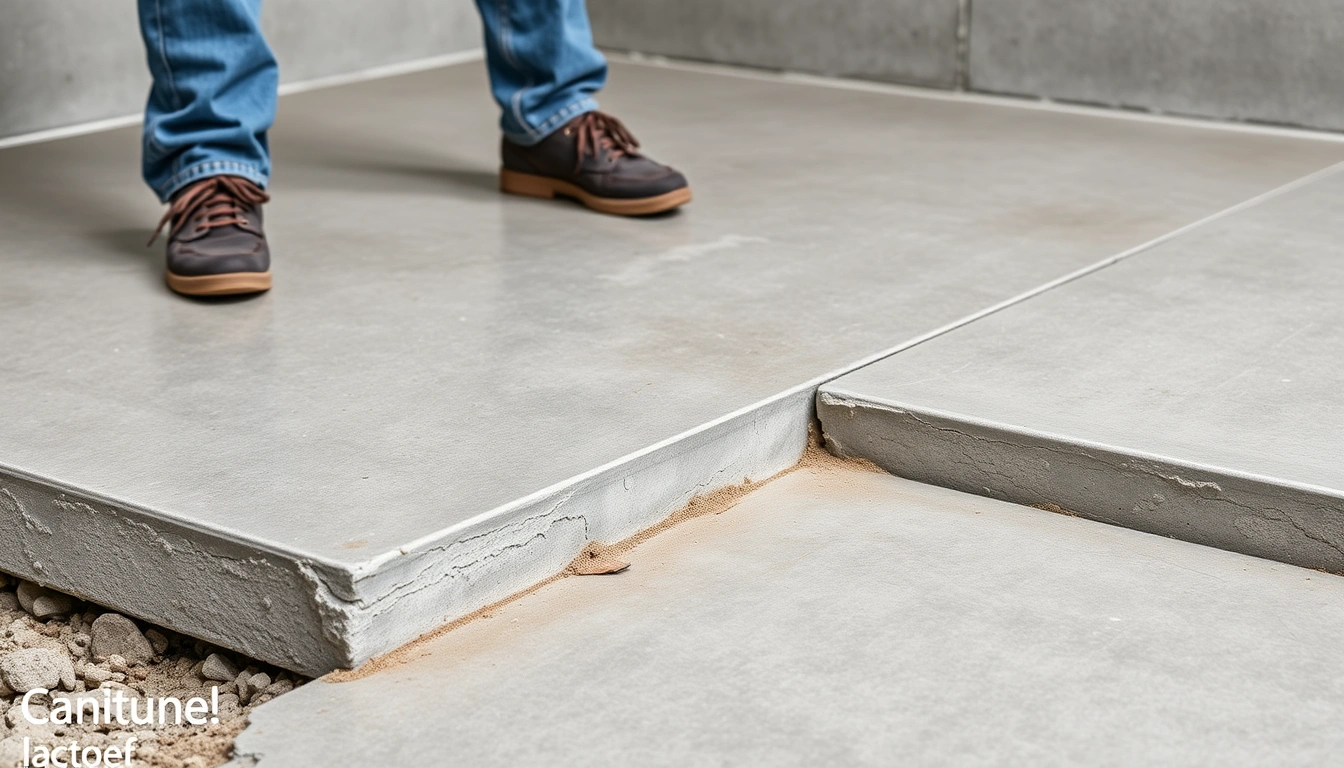
How much does it cost to level a sunken concrete driveway in the Midwest?
For a typical Midwest driveway, expect $1,500 to $3,000 for mudjacking driveway repair and $3,200 to $7,500 for polyurethane foam injection on a 450 sq ft slab. That is the cleanest working range for 2026, and it matches the higher labor and access costs I keep seeing around older homes.
HomeGuide’s 2026 range of $3 to $12 per square foot lines up with that total. Small jobs usually cost more per square foot because setup time does not shrink much, while larger driveways often get a better unit price. That is why the concrete leveling cost per square foot looks high on a two-panel walkway and much lower on a full driveway.
One thing most quote pages skip: a driveway with a settled apron or garage slab often costs more than a straight driveway of the same size because the crew has to transition between panels. I have seen a 220 sq ft slab quoted at $1,100, then a 380 sq ft driveway quoted at $1,250 more because the second job needed more lift points and crack repair.
Why the “average driveway” number can mislead you
The average driveway leveling total cost is useful only if your driveway is close to average. In Cedar Rapids IA, I’ve seen short suburban drives come in under $1,000, while long, cracked drives with poor drainage climbed above $4,000. The footprint matters, but the condition matters more.
If you are comparing methods, use the total project estimate rather than the cheapest per-square-foot quote. Foam can cost more upfront and still be cheaper over 10 to 15 years if the slab stays level and you avoid a second repair cycle. That is the real financial comparison, not just the sticker price.
A 450 sq ft driveway is the size where method choice starts to matter more than the initial quote.
State-by-state frost line and labor changes the bill
Yes, frost line depth changes concrete leveling midwest cost, because deeper freezing means more frost heave pressure and more repeat movement. Minnesota and Iowa sit at 42 inches, Nebraska is 36 inches, Indiana is 36 inches, and Illinois is 30 inches in the areas most homeowners deal with.
That matters because deeper frost usually means more seasonal movement, especially where water has nowhere to drain. A slab in Des Moines IA with bad grading can move every winter, while the same slab in parts of Illinois may move less often but still sink if the soil was never compacted correctly in the first place.
Labor prices also follow metro density. In Omaha NE, I’ve seen same-week bids come back faster but with slightly higher minimum charges. In Cedar Rapids IA, crews may have lower travel costs but longer scheduling windows. In other words, the local labor market changes the quote as much as the material does.
How to use frost line depth when comparing bids
Do not let a salesperson hand-wave frost line depth away. Ask whether the lift plan accounts for the local frost line and whether the crew will correct downspout runoff, soil voids, or negative slope around the slab. If they only mention the foam or the slurry, they are only solving half the problem.
Quotable line: A deeper frost line usually means a higher chance of repeat settlement unless drainage is corrected at the same time.
| State | Typical frost line depth | Cost pressure | Common risk |
|---|---|---|---|
| Iowa | 42 inches | High | Frost heave and clay movement |
| Minnesota | 42 inches | High | Deep seasonal soil movement |
| Nebraska | 36 inches | Moderate to high | Drainage-driven settlement |
| Indiana | 36 inches | Moderate to high | Freeze-thaw cycling |
| Illinois | 30 inches | Moderate | Localized frost heave |
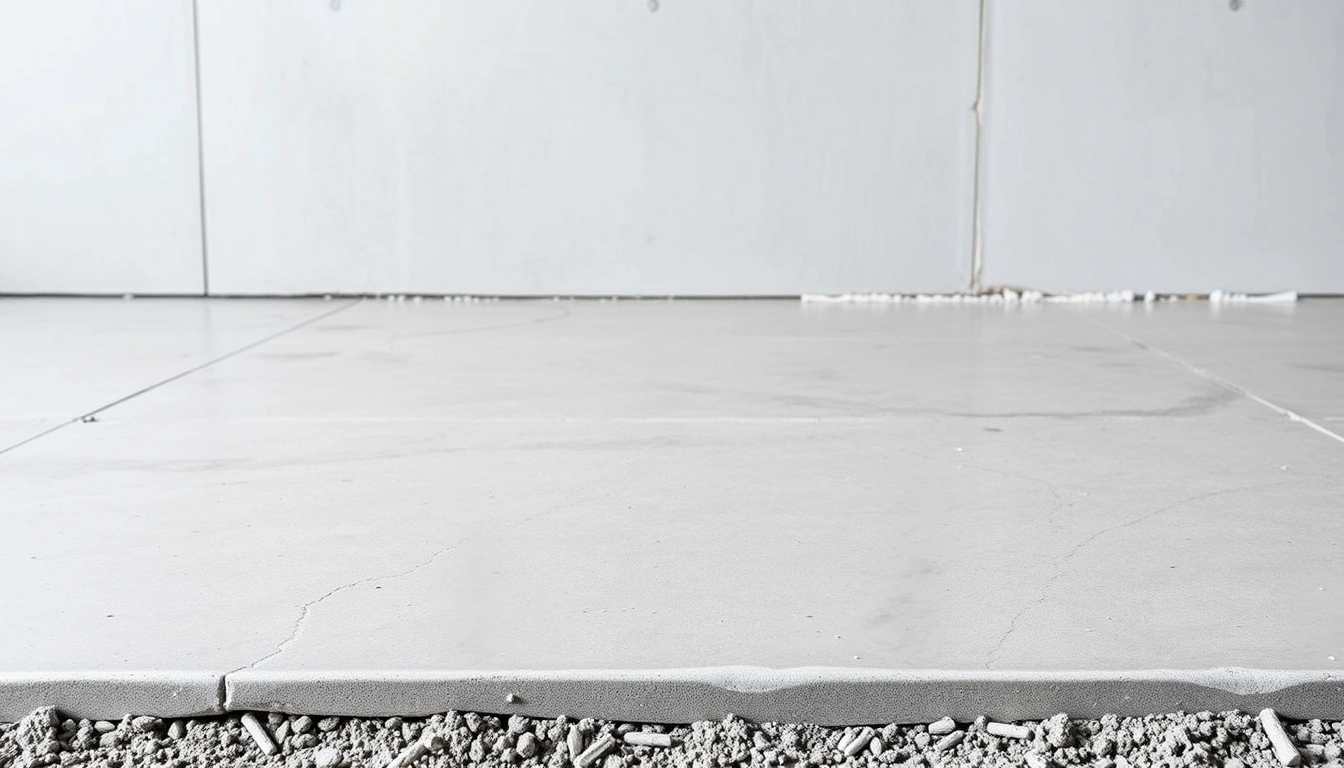
Is polyjacking or mudjacking better for Iowa’s clay soil and freeze-thaw winters?
Polyjacking is usually the better long-term choice for Iowa’s clay soil and freeze-thaw winters if you want lighter material, faster cure time, and better resistance to washout. Mudjacking is cheaper upfront, and it still makes sense for some larger, stable slabs that do not need a premium finish.
PolyLevel injection and other polyurethane foam injection systems typically cost more, but the material is dense enough for lifting and light enough to avoid adding much stress to already moving soil. HomeGuide’s 2025 data says polyjacking lasts 10 to 15 years or longer, while mudjacking lasts 5 to 10 years depending on soil conditions and drainage.
I have seen this difference show up in real jobs. A mudjacking crew in Des Moines IA quoted one driveway at $1,600, while a foam crew quoted $2,850. The homeowner chose foam after learning the rear gutter dumped water beside the driveway every storm. Two winters later, the foam lift still looked even; the old neighbor’s mudjacked drive had settled again by spring.
Where mudjacking still wins
Mudjacking can be the smarter buy when the slab is thick, the settlement is shallow, and the homeowner plans to sell within a few years. It is also more attractive for large garage floors or patios where cost per square foot matters more than maximum lifespan. HomeAdvisor’s 2025 figures put mudjacking at $3 to $6 per square foot, which is often the lowest entry price for sunken slab repair.
Quotable line: Mudjacking is usually cheaper, but polyurethane foam injection usually lasts longer in wet Midwest soil.
The mistake that cost me $690
The mistake was accepting the lower quote before checking drainage. It cost $690 more than necessary because the first contractor priced a mudjacking driveway repair without addressing the downspout that was dumping water beside the slab.
Week 1, the driveway looked better immediately. By Month 2, I noticed one corner dropping a quarter inch again after heavy rain. The slab was not the problem alone. The water path was. I paid for a second visit, and that second trip was the expensive one.
The lesson is simple: concrete leveling fixes height, not hydrology. If a driveway or walk sits in a wet pocket, the repair should include grading, downspout extensions, or a drainage plan. Otherwise, you are just paying to reset the timer.
What I should have checked first
I should have stood outside during a rainstorm and watched where the water ran for ten minutes. That would have shown the issue immediately. A $12 downspout extension would have done more for the long-term result than the original patch of slurry ever could.
Quotable line: The cheapest concrete leveling quote is the wrong quote if water is still feeding the settlement.
One more practical note: some crews will quote the lift but not the cleanup or crack sealing. Ask whether the price includes joint caulk, crack patch, and a follow-up adjustment if the slab settles another 1/8 inch within a set window. That detail matters more than a glossy sales pitch.
Is concrete leveling worth it or should I just replace the slab?
Concrete leveling is worth it when the slab is structurally sound, the settlement is under a few inches, and you want to save 50% to 70% versus full replacement. Replacement makes more sense when the concrete is shattered, the base is failing everywhere, or the slab is so cracked that lifting would just expose more damage.
A1 Concrete’s 2026 figures say concrete leveling saves 50% to 70% on average compared with full concrete replacement. That lines up with what I have seen in practice: a driveway or walk that can be lifted cleanly usually keeps most of its life, while replacement is only worth the extra money when the old slab has already lost it.
For a 450 sq ft driveway, the replacement bill can climb fast once demolition, hauling, base prep, and new pour work are added. That is why many homeowners start with leveling. The math is usually kinder, and the project is faster. Most lifts finish the same day, while replacement can take several days and a curing period after that.
When replacement is the better choice
Replace the slab if more than one-third of the concrete is broken, if the rebar is exposed and corroding, or if the sub-base is collapsing. I have also told homeowners to replace when a garage apron keeps cracking from the same corner every year. At that point, the repair is cosmetic, not structural.
Quotable line: If the slab is still structurally sound, leveling is usually the better financial choice.
One practical way to decide: get one leveling bid and one replacement bid for the same area. If replacement costs less than about 1.8 times the lift and the slab is already heavily damaged, replacement may be justified. If replacement is 2.5 times or more, leveling usually wins unless the base is failing.
What to ask before you sign
The best way to control concrete leveling midwest cost is to ask the right five questions before anyone starts drilling holes. Those questions reveal whether the quote is honest, whether the slab can actually be saved, and whether the company understands Midwest soil movement.
The questions I would ask every contractor
- What is the quoted concrete leveling cost per square foot, and what is included?
- Are you using mudjacking, polyjacking, or PolyLevel, and why for this slab?
- How do you handle expansive clay soil and frost heave in this part of the Midwest?
- Does the price include crack sealing, cleanup, and a re-level if the slab settles again within a set window?
- Will you inspect drainage, downspouts, and slope before the lift?
Ask those questions in Cedar Rapids IA, Des Moines IA, or Omaha NE and you will get a much clearer read on the company than from the price alone. The good contractors answer quickly and specifically. The weak ones hide behind averages.
I also ask for photos of similar jobs completed within the last 12 months. Not a gallery from five years ago. Recent work tells you how they handle today’s materials and today’s weather, which matters in 2026.
| Method | Typical price | Typical life | Best use case |
|---|---|---|---|
| mudjacking | $3–$6 per sq ft | 5–10 years | Lower-cost lifting for stable slabs |
| polyjacking | Higher than mudjacking | 10–15 years or longer | Wet soil, tighter access, faster return to service |
| replacement | Highest upfront cost | Depends on base quality | Broken, failing, or severely deteriorated slabs |
Quotable line: The right contractor explains drainage, not just price.
Common Questions About concrete leveling midwest cost
How much does it cost to level a sunken concrete driveway in the Midwest?
Most Midwest driveway jobs land between $1,500 and $3,000 for mudjacking and $3,200 to $7,500 for polyurethane foam injection on a 450 sq ft driveway. Smaller jobs can run cheaper, but the per-square-foot rate often rises when setup time is similar.
Is polyjacking or mudjacking better for Iowa’s clay soil and freeze-thaw winters?
Polyjacking is usually better if the slab sits in wet, moving soil because polyurethane foam injection is lighter and typically lasts 10–15 years or longer. Mudjacking is cheaper upfront and can still work for stable, thicker slabs that do not see much water or repeat frost heave.
Is concrete leveling worth it or should I just replace the slab?
Leveling is usually worth it if the slab is still structurally sound and the settlement is only a few inches. Homeowners often save 50% to 70% compared with replacement. If the concrete is shattered, rebar is exposed, or the base has failed, replacement makes more sense.
What is the cheapest concrete leveling method in 2026?
Mudjacking is usually the cheapest option in 2026, with HomeAdvisor listing it at $3 to $6 per square foot. It works well for many slabs, but it is not always the best long-term choice in wet Midwest soil or where repeat settlement is likely.
How long does polyurethane foam injection last under a driveway?
Polyjacking or polyurethane foam injection usually lasts 10 to 15 years or longer if drainage is corrected and the slab is not still being washed out from below. In the Midwest, longevity depends heavily on runoff control and how active the soil movement is.
Does frost line depth really affect concrete leveling cost?
Yes. Deeper frost line depth usually means more frost heave risk, more seasonal movement, and a higher chance that the contractor will recommend a longer-lasting method. Iowa and Minnesota are typically around 42 inches, while Illinois is often around 30 inches.
- Concrete leveling midwest cost usually runs $3–$12 per square foot, but drainage and frost heave can push the total higher.
- For a 450 sq ft driveway, mudjacking is often $1,500 to $3,000 and polyurethane foam injection is often $3,200 to $7,500.
- Polyjacking usually lasts 10–15 years or longer; mudjacking usually lasts 5–10 years depending on soil and drainage.
- If the slab is structurally sound, leveling usually beats replacement on cost and speed.
The Bottom Line
My verdict on concrete leveling midwest cost is simple: start with leveling if the slab is still sound, but only after you check drainage, frost movement, and soil conditions. In much of the Midwest, the cheapest quote is not the best quote. The best repair is the one that stays put through the next two winters.
Pick one thing from this article and try it this week: walk your driveway during or right after rain, and note where water pools. That single five-minute check will tell you more about whether mudjacking driveway repair or polyurethane foam injection makes sense than any sales pitch will.
Related: concrete leveling cost cedar rapids ia
Related: diy vs professional concrete leveling
Related: concrete leveling cost minneapolis
Related: signs your concrete needs leveling
Related: concrete leveling cost des moines
Related: polyjacking vs mudjacking iowa