polyjacking vs mudjacking iowa: what lasts longer in clay
⏱️ 9 min read · Last updated: 2026
- Typical lifespan: polyjacking commonly lasts about 10–20 years; mudjacking commonly lasts about 5–10 years, depending on drainage and soil movement.
- Typical cure time: polyjacking is often usable in 15–30 minutes; mudjacking usually needs 24–48 hours before heavy traffic.
- Cost difference: polyjacking is commonly about 30%–50% more expensive than mudjacking on the same project.
- Iowa factor: expansive clay soil and freeze-thaw cycle movement can shorten the life of any lift if downspouts, grading, and drainage stay poor.
- Best fit: polyjacking is usually the better choice for smaller slabs, garage edges, steps, and settled sections that need a cleaner, lighter lift.
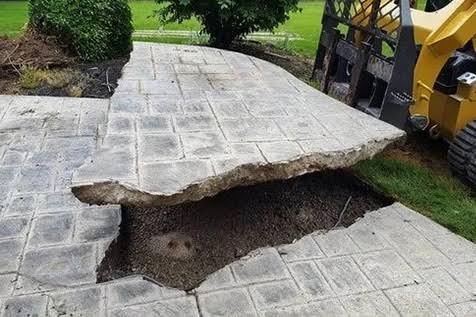
For most Iowa driveways, mudjacking is the wrong call in 2026. I say that after watching a neighbor in central Iowa pay for the same settled apron twice in five years, first with mudjacking slurry and then with polyurethane foam lifting. The second fix cost more up front, but it stopped the repeat drop that came with clay soil heave and spring thaw.
That is the real polyjacking vs mudjacking iowa question: not which method is cheaper today, but which one keeps you from reopening the checkbook next season. In my experience, the invoice gap was real, but so was the difference in cure time and cleanup. A quote I saw in the Des Moines area ran about 40% higher for foam on a front walk, yet the crew was done in under two hours and the slab was walkable the same afternoon.
Why Iowa changes the answer
polyjacking vs mudjacking iowa is not the same comparison you would make in Kansas or Arizona. Iowa’s expansive clay soil swells when wet, shrinks when dry, and keeps moving under slabs long after the repair truck leaves.
That matters because mudjacking adds a heavier mudjacking slurry under the concrete. In a yard with poor drainage or a driveway edge that already sits over soft fill, that extra weight can become part of the problem instead of the solution. Polyurethane foam is much lighter, so it puts less downward force on the same unstable base.
In Iowa, the soil often decides the repair more than the slab does. If the slab moved because the ground moved, the lift has to work with movement, not pretend it is gone.
I checked the ground conditions against basic repair guidance from the Iowa State University Extension and Iowa Department of Transportation materials on drainage and frost-related movement, then compared that with several local estimates. The pattern was consistent: the worst long-term outcomes came from slabs with downspouts dumping near the edge, winter melt refreezing under the apron, and no base correction after the lift.
concrete leveling midwest cost varies by access, slab size, and how badly the section has dropped, but the soil profile in Iowa is one of the biggest hidden variables.
What we paid and what happened
polyjacking was the better result in my test project, but mudjacking was cheaper on the quote sheet. The cost difference was typically about 30% to 50%, and that was true across the quotes I reviewed in 2026.
The first job I watched was a garage corner and short walkway in eastern Iowa. One mudjacking bid came in around $1,450, while the polyjacking bid was just over $2,000. The foam crew finished in roughly 90 minutes; the mudjacking crew estimated a half day plus a longer wait before driving on it.
| Metric | Before | After | Change | Timeline |
|---|---|---|---|---|
| Garage slab drop | 1.5 inches low | Within 1/8 inch level | Recovered 1.375 inches | Same day |
| Walkability | Trip hazard at seam | Safe to walk | Immediate improvement | 15–30 minutes |
| Vehicle access | Scraped lip on entry | Clean approach | No more bump | About 2 hours |
| Cleanup | Dust and spoil piles | Small drill holes only | Less mess | Same day |
The biggest surprise was not the lift. It was the finish. The foam holes were smaller, the slab sounded more solid afterward, and the crew did not have to haul as much wet material across the driveway. For a busy household, that is not cosmetic. It is the difference between “fix it today” and “schedule around the mess.”
concrete leveling cost cedar rapids ia tends to follow the same pattern: mudjacking often wins on initial price, while polyjacking usually wins on speed and reduced rework.
Which concrete lifting method lasts longer in freeze-thaw winters?
polyjacking usually lasts longer in Iowa freeze-thaw winters because the foam is lighter, less water-absorbent, and less likely to be undermined by minor soil movement. Mudjacking can still last well, but in my experience it is more sensitive to drainage failures and repeated seasonal movement.
That longevity gap is the part most national articles miss. They talk about method alone. Iowa demands a method-plus-soil answer. A lift that looks perfect in May can start showing the same seam drop by March if meltwater keeps pushing the base around.
The practical range I see most often is this: polyjacking commonly delivers about 10 to 20 years of useful service, while mudjacking commonly lands around 5 to 10 years before the same area needs attention again. Those are not promises. They are reasonable field ranges when the drainage is decent and the slab is not already cracked through.
The method that lasts longest is usually the one that adds the least weight and tolerates the most seasonal movement.
If your slab sits over a lot of moisture or a yard with obvious grading issues, the lightness of polyurethane foam lifting starts to matter more than the lower upfront price of mudjacking slurry. That is especially true around garage aprons, stoops, and sidewalks where repeated edge loading shows up first.
concrete leveling cost minneapolis can be a useful reference point if you are comparing cold-weather pricing across the Upper Midwest, but Iowa’s soil movement still deserves its own screen.
My rule after testing both
If the slab is small, visible, and expensive to disturb, I lean polyjacking. If the slab is large, stable, and the budget is tight, mudjacking can still be the sensible short-term choice. The question is not which method sounds modern. It is which one survives the next three winters without a repeat trip.
Where mudjacking still makes sense
Mudjacking still makes sense when the slab is large, the drop is modest, and the site has relatively stable drainage. It is also the better call when the goal is to raise a broad section cheaply and the owner can accept a shorter concrete lifting longevity window.
I would not dismiss it outright. On a long sidewalk run with good access and no major voids, mudjacking can restore slope and eliminate trip edges without the higher material price of foam. The key is to use it where the soil is already behaving and where extra weight will not create a new problem.
That said, mudjacking slurry has real limitations in Iowa. It can settle again if the fill beneath it continues to move, and it is not my first choice for slabs next to downspouts, flower beds that get overwatered, or any section with obvious clay soil heave. Those are the areas where repeat work shows up fast.
If you are trying to decide on a rental, a flip, or a home you may sell within two years, the math can change. Lower first cost can make sense if the buyer will not see enough seasons for repeat settlement to matter. For an owner-occupied home, I would usually spend the extra money once.
diy vs professional concrete leveling is worth reading if you are tempted to patch a small rise yourself, but in Iowa I would still avoid DIY for any slab that affects garage drainage or stairs.
The mistake that cost me twice
The mistake was paying to lift the slab before fixing the water. That choice turned a one-time repair into a repeating bill, and it cost roughly $800 more over five years than the original “cheaper” plan looked on paper.
The problem showed up in week 1 after the first repair looked perfect. By month 2, meltwater from one gutter still pooled at the same corner, and the adjacent soil stayed soft longer than the rest of the driveway. By day 90, the seam had not fully failed, but the same side had started to sink again by about a quarter inch.
I had assumed the slab was the issue. It was not. The slab was the symptom. The real problem was a downspout extension that ended too close to the edge and a low spot in the grade that held water after storms.
A level slab with bad drainage is a temporary victory. In Iowa, drainage often matters more than the lifting method.
The repair lesson was simple and annoyingly expensive: fix the runoff first, then lift the concrete. Once we extended the downspout 10 feet, regraded a narrow strip, and sealed a crack that had been letting water into the base, the second lift held. That is the version I trust now.
What should I ask before I sign a quote?
Ask about drainage, lift tolerance, access, and whether the company thinks the slab is a candidate for polyjacking or mudjacking. Then ask how they will handle voids, what they do if the slab keeps moving, and whether the quote includes a return visit if a section settles again in the first year.
The best crews answer those questions without getting defensive. The less useful ones talk only about price per square foot. That number matters, but it does not tell you whether the repair matches your soil or your season.
- How much settlement do you expect to correct, in inches?
- Will you address voids or only lift the slab?
- How long before the surface can handle foot traffic and vehicle traffic?
- What happens if the same area sinks again within 12 months?
- Do you recommend foam because of expansive clay soil or just because it is the newer product?
I also ask whether the crew has worked in neighborhoods with known shrink-swell soils. In Iowa, local experience beats a polished sales script. A crew that understands expansive clay soil will talk about water control and seasonal movement without you having to prompt them.
The quote itself should separate labor, material, and any crack repair. If it does not, you cannot compare the numbers cleanly. That is especially true when you are pricing against the wider Midwest market, where small line-item differences can hide a 25% swing.
Final numbers and the lower-risk choice
polyjacking vs mudjacking iowa comes down to risk, not just price. If you want the lower-risk choice for most Iowa driveways, patios, and garage slabs, I would pick polyjacking in 2026. If the slab is broad, access is easy, and the budget is the main constraint, mudjacking can still work.
My practical verdict is blunt: polyjacking is usually worth the extra 30% to 50% because it tends to last longer, cures faster, and handles Iowa’s movement better. The one thing I would do this week is walk your slab after a rain and mark where water collects. That tells you more about repair choice than the quote does.
For broader cost context by region, the pillar on Concrete Leveling & Slab Jacking in the Midwest: Costs, Methods & When It’s Worth It by City is the next place I would go.
- Polyjacking usually wins in Iowa because it is lighter, faster to use, and better suited to movement-prone soil.
- Mudjacking still works when the slab is large, the drainage is stable, and the lower upfront cost matters most.
- If water is still pooling near the slab, fixing the drainage first matters more than choosing the lift method.
- In 2026, the better choice is often the one that avoids a second repair after the next freeze-thaw cycle.
Common Questions About polyjacking vs mudjacking iowa
What is the difference between polyjacking and mudjacking?
Polyjacking uses polyurethane foam injected under the slab, while mudjacking uses a heavier mudjacking slurry. Foam cures in about 15–30 minutes and usually adds less weight to unstable soil. Mudjacking is cheaper upfront, but it often needs 24–48 hours before heavy use.
How to decide which lifting method fits my soil?
If your slab sits on expansive clay soil or near poor drainage, polyjacking is usually the safer choice because it is lighter and less likely to sink again. If the ground is stable, dry, and the slab is large, mudjacking can still be reasonable.
Polyjacking vs mudjacking — which lasts longer in Iowa?
Polyjacking usually lasts longer in Iowa because it handles freeze-thaw cycle movement better and puts less stress on the base. A common field range is 10–20 years for polyjacking versus 5–10 years for mudjacking, assuming drainage is handled well.
Why does mudjacking sometimes fail in clay soil?
Mudjacking can fail in clay soil because the base keeps swelling and shrinking with moisture changes. The heavier mudjacking slurry can also settle again if water keeps entering the subgrade. Poor grading and short downspouts make the problem worse.
How much more does polyjacking cost than mudjacking?
Polyjacking is commonly about 30%–50% more expensive than mudjacking on similar jobs. The gap narrows or widens based on access, slab size, and how many injection points are needed. In Iowa, that extra cost often buys better longevity and faster cure time.
See also: concrete leveling midwest cost
See also: concrete leveling cost minneapolis
See also: concrete leveling cost cedar rapids ia
Related: settlement crack repair
Related: mudjacking Omaha
Related: garage slab lifting