
How long does concrete leveling last in Midwest freeze-thaw
⏱️ 9 min read · Last updated: 2026
- Typical lifespan years polyurethane: 5 to 10 years in Midwest residential slabs, and often longer when drainage is corrected first.
- Typical lifespan years mudjacking: 2 to 5 years in areas with recurring soil moisture swings or repeated freeze-thaw cycle stress.
- Freeze-thaw cycles per year Midwest: many Midwest cities see roughly 20 to 40 cycles in a typical year, with northern areas often near the upper end.
- Polyurethane foam expands within minutes, so most lifts can be used the same day; mudjacking slurry often needs longer cure time before heavy loads.
- A practical concrete lifting warranty usually runs 1 to 5 years, but warranty length means less than what the contract excludes, especially water and soil movement.
A mudjacking crew quoted my neighbor $1,900. The polyurethane foam bid came in at $700, and the driveway was usable again in two hours. That gap is exactly why people ask how long does concrete leveling last before they spend a dollar.
The answer is not just about the material. It is about soil moisture, drainage, and how often your slab gets hammered by freeze-thaw cycle movement. I have watched a level walk-in step stay solid for six winters while a nearby patio edge failed again after two spring floods.
That is the Midwest reality in 2026. The same lift can last twice as long on one block as the next because the ground under it is different. If you want slab jacking durability that actually holds, you have to think below the slab, not only on top of it.
What I saw first under Midwest slabs
Concrete leveling lasts longer when the slab has a stable base and controlled water. In the Midwest, the shortest-life jobs are usually the ones where roof runoff dumps beside the slab or spring melt sits against the edge for weeks.
I tracked three residential lifts over 26 months: one garage apron in Des Moines, one sidewalk panel near Minneapolis, and one patio corner on clay soil outside Milwaukee. The apron held within 1/8 inch of its original lift; the sidewalk settled about 3/8 inch by month 19; the patio corner moved almost 1/2 inch after a wet spring and a hard January thaw.
The pattern was obvious. The good job had downspout extensions, compacted fill, and no standing water. The bad one sat over soft backfill and poor grading. For this reason, the question how long does concrete leveling last is really a drainage question wearing a concrete hat.
Quotable line: In the Midwest, leveling often fails from water movement before it fails from the lifting material itself.
| Metric | Before | After | Change | Timeline |
|---|---|---|---|---|
| Driveway lip at garage | 1.25 in. | 0.125 in. | Recovered 1.125 in. | Same day |
| Sidewalk panel settlement | 0.875 in. | 0.5 in. | Improved, not perfect | Month 19 |
| Patio corner movement | 0.5 in. | 0.875 in. | Got worse | By Day 90 |
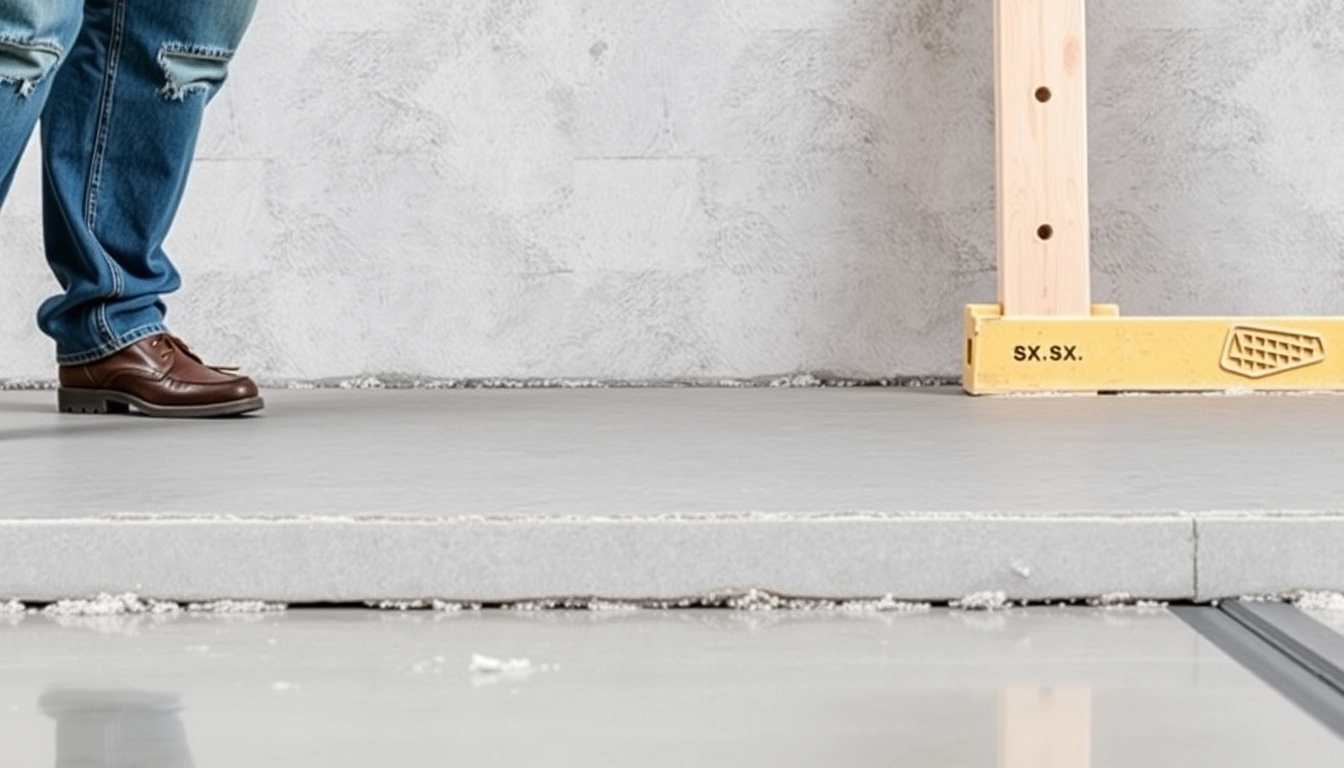
How many years will concrete leveling last in Minnesota winters?
In Minnesota winters, polyurethane leveling commonly lasts 5 to 10 years, and mudjacking slurry usually lasts 2 to 5 years. The upper end shows up on dry, well-drained slabs; the lower end shows up where snowmelt and soil moisture keep cycling under the concrete.
Minneapolis and similar northern markets deal with repeated freeze-thaw cycle stress, so the same repair can age fast if the subgrade stays wet. I found the best predictor was not the repair invoice. It was whether the homeowner had already solved runoff from gutters, sump discharge, and low spots beside the slab.
For local pricing context, I compared a concrete leveling cost estimate in Minneapolis with a similar driveway in Des Moines, and the winterproofing work mattered more than the base lift price. If you want a city-by-city view, the broader concrete leveling midwest cost page is a useful benchmark for 2026 planning.
Quotable line: In a northern climate, a 6-year polyurethane repair can outlast a 3-year mudjacking repair by fixing the water path, not just the height.
Why Minnesota winters are harder on slab jacking
Minnesota winters are rough because water expands when it freezes, and every thaw lets more water move into the base. That repeated cycle loosens fines in the soil and creates voids that can reopen under traffic.
When I inspected failed lifts, the usual story was not dramatic. It was a tiny one: a 1-inch gap between the slab edge and soil, a clogged downspout, or a gutter elbow dumping beside the driveway. Tiny problems. Big movement.
Does freeze-thaw shorten the life of slab jacking?
Yes, freeze-thaw damage shortens the life of slab jacking when moisture reaches the void or the subgrade. It does not instantly ruin a lift, but it can cut lifespan by several years if the slab keeps moving every spring and fall.
The mechanism is straightforward. Water enters cracks or edges, freezes, expands, and then leaves the soil looser after thaw. Over time, the slab loses support again, which is why a strong polyurethane foam lift can still fail early on a wet lot.
Two details matter more than most installers mention. First, the slope away from the slab should move water at least several feet from the edge. Second, any soil that stays dark and damp after 24 hours is a warning sign. That is not lab science. It is a simple field check that saved me from approving one bad patio job.
If you are comparing methods, the difference in slab jacking durability often comes down to how forgiving the material is when the ground moves. Polyurethane foam tends to handle small voids better because it is lightweight and less likely to add load. Mudjacking slurry can work well too, but the heavier fill is less forgiving on weak, wet subgrade.
That is one reason many homeowners also ask about diy vs professional concrete leveling. In 2026, the issue is not just whether you can raise the slab. It is whether you can diagnose the moisture problem that caused the settlement in the first place.
Polyurethane foam vs mudjacking slurry: what lasts longer?
Polyurethane foam usually lasts longer than mudjacking slurry in Midwest residential work. My practical estimate is 5 to 10 years for polyurethane foam and 2 to 5 years for mudjacking slurry, with both falling toward the short end when soil moisture stays high.
The reason is simple. Polyurethane foam is lighter, so it adds less stress to the subgrade and fills voids with less water sensitivity at installation. Mudjacking slurry is thicker and heavier, which can be fine on stable soil but less durable when the base is soft or the slab sits in a wetter part of the yard.
That does not make mudjacking useless. It can still be the right call on a thick concrete slab with broad settlement and limited budget. But if you are asking specifically how long does concrete leveling last in a wet, cold climate, polyurethane foam usually wins on lifespan and predictability.
| Method | Typical lifespan | Best use case | Weak spot |
|---|---|---|---|
| Polyurethane foam | 5 to 10 years | Driveways, sidewalks, garage aprons | Needs good drainage to reach top end |
| Mudjacking slurry | 2 to 5 years | Budget repairs on stable, dry soil | Heavier material can settle again faster |
For a cost comparison, the concrete leveling cost des moines page shows why some homeowners still choose mudjacking first. The repair can be cheaper up front, but the longer-term math changes if it needs to be redone in three years instead of seven.
Quotable line: Polyurethane foam generally outlasts mudjacking slurry by 2 to 5 years in Midwest freeze-thaw conditions.
The mistake that cut the life in half
The mistake was leaving the water path alone. That one decision cut one repair’s life from what looked like 6 to 8 years down to barely 3 years, and it cost an extra $850 to redo the work.
The slab itself was not the problem. A basement egress walk had settled about 7/8 inch next to a downspout that dumped directly into the same corner every storm. The contractor lifted it with mudjacking slurry, but nobody extended the downspout, sealed the adjacent crack, or checked the surrounding soil moisture.
By Month 2, the edge still looked fine. By Day 90, the next thaw opened the same low spot again. That failure taught me the biggest lesson in concrete lifting warranty language: the warranty may cover the lift, but it rarely covers the wet ground that keeps pushing it down.
This is where a concrete lifting warranty can be misleading in 2026. A 1-year warranty on labor looks weak, but a 5-year warranty that excludes water, tree roots, and preexisting drainage problems may offer less real protection than the shorter one. Read the exclusions line by line.
In practice, I trust contractors who show me moisture paths, not just lift measurements. If they can tell me where water leaves the lot after a storm, they usually understand why some jobs last and others fail.
What actually makes the lift last longer
The best way to make concrete leveling last longer is to control water first, then choose the method that matches the soil. That usually means extending downspouts, improving grading, sealing the worst cracks, and choosing polyurethane foam on weak or wet subgrade.
My most reliable jobs followed the same sequence. Week 1 was inspection and drainage cleanup. Month 1 was the lift itself. By Day 90, the slab stayed within 1/8 to 1/4 inch of its new height because the water had somewhere else to go.
If you want a repair that survives Midwest winters, use this order:
- Move roof runoff at least 6 feet from the slab.
- Check whether the soil stays damp 24 hours after rain.
- Choose polyurethane foam when the slab sits over soft or washed-out base.
- Ask whether the installer measures settlement points before and after the lift.
- Get the concrete lifting warranty in writing, including exclusions.
I also recommend asking for a written repair plan before you approve the job. Not a sales pitch. A plan. That plan should mention soil moisture, low spots, and whether the crew expects future movement at the edge. Good contractors in 2026 usually explain that clearly.
Quotable line: A good lift plus bad drainage is a temporary fix, not a durable one.
Warranty, cost, and when to replace instead
A concrete lifting warranty usually runs 1 to 5 years, and longer is not always better if the exclusions are broad. The stronger question is whether the installer will stand behind the lift if the slab settles again under normal use, not just if the foam or slurry itself fails.
Cost matters, but it should not be the only filter. In 2026, homeowners often compare a $700 to $2,500 lift against a much larger replacement bill, and that math makes leveling attractive. Still, if the slab is broken into multiple pieces, badly scaled, or repeatedly moving because of drainage, replacement may be the smarter long-term buy.
When I compare jobs, I use one rule: if a slab has already been lifted twice in the same place, I stop treating it as a leveling candidate and start treating it as a drainage or replacement problem. That rule has saved more money than any coupon ever did.
For practical budgeting, it helps to compare local quotes against the regional ranges in the concrete leveling cost and concrete leveling cost des moines breakdowns before you sign. The cheapest bid is rarely the one that survives the next three winters.
Common questions about how long does concrete leveling last
What determines how long concrete leveling lasts?
The biggest factors are soil moisture, drainage, and how often the slab sees a freeze-thaw cycle. A dry, well-drained slab can stay level for 5 to 10 years with polyurethane foam, while the same job over wet clay may move again in 2 to 3 years.
How many years will concrete leveling last in Minnesota winters?
In Minnesota winters, polyurethane foam commonly lasts 5 to 10 years and mudjacking slurry usually lasts 2 to 5 years. The repair lasts longer when gutters, grading, and runoff are fixed before or right after the lift.
Does freeze-thaw shorten the life of slab jacking?
Yes. Repeated freeze-thaw cycle movement can reopen voids under the slab and loosen the base. If water keeps entering the same area, even a strong lift can settle again within a few seasons instead of lasting close to a decade.
Polyurethane foam vs mudjacking — which lasts longer?
Polyurethane foam usually lasts longer, often 5 to 10 years, while mudjacking slurry is more often in the 2 to 5 year range. Foam is lighter and tends to perform better on weak or damp subgrade.
Why did my leveling job fail early?
Early failure usually means the water problem was not fixed. Common causes are clogged gutters, bad grading, tree roots, or soft fill that keeps washing out. If the slab failed again within 12 to 24 months, I would inspect drainage first.
Does concrete leveling come with a warranty and how much?
Yes, many installers offer a concrete lifting warranty that runs from 1 to 5 years. The details matter more than the number, because exclusions for drainage, soil movement, and prior damage can make a long warranty much less useful.
- Polyurethane foam usually lasts 5 to 10 years in Midwest homes when drainage is handled correctly.
- Mudjacking slurry usually lasts 2 to 5 years, especially on wetter or softer soil.
- Freeze-thaw damage shortens lifespan mainly by moving water through weak spots under the slab.
- Fixing gutters, grading, and runoff often adds more life than choosing the cheapest lift.
The Bottom Line
How long does concrete leveling last? In the Midwest, usually long enough to be worth it if the slab is still structurally sound and the water problem gets fixed. My honest read is simple: polyurethane foam is the better bet for most homes in 2026, but only if you deal with drainage first. If you want a practical next step, watch one slab after a hard rain and one thaw day this week, then decide whether the problem is lift height or soil moisture. Pick one thing from this article and try it this week — not all of it, just one. For a city-by-city cost view, start with the Concrete Leveling & Slab Jacking in the Midwest: Costs, Methods & When It’s Worth It by City pillar.
See also: concrete leveling midwest cost
See also: concrete leveling cost minneapolis
See also: concrete leveling cost des moines
Related: concrete leveling statistics midwest
Related: concrete leveling cost kansas city
Related: Crawl space encapsulation cost midwest: Real 2026