crawl space encapsulation cost midwest: Real 2026 price ranges
⏱️ 8 min read · Last updated: 2026
Meta Description: Crawl space encapsulation cost Midwest homes typically ranges from $5,000 to $15,000 in 2026. See real price factors, per-square-foot costs, and repair tips.
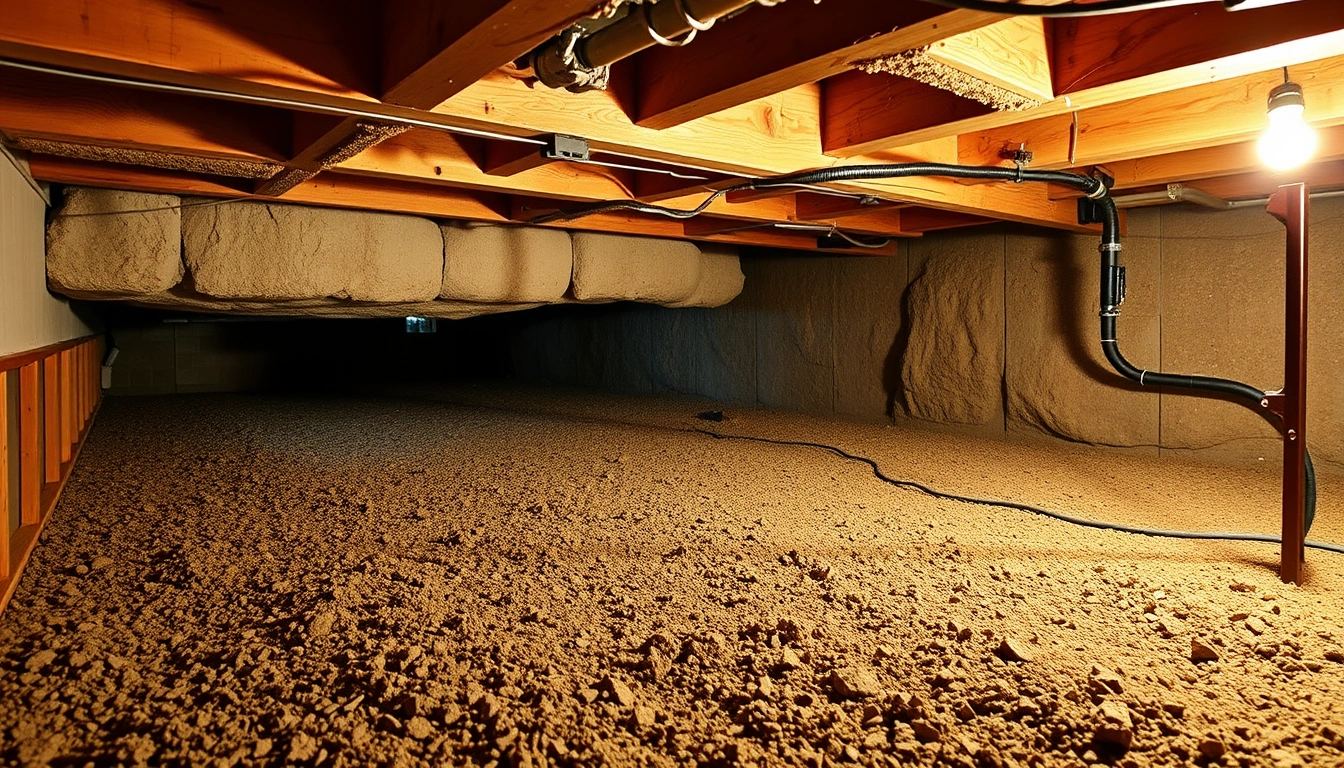
In 2026, crawl space encapsulation cost midwest usually lands between $5,000 and $15,000 for an average Midwest home. Square footage matters, sure. So do moisture damage, drainage, and whether you need a crawl space dehumidifier or crawl space repair. In humid states and older houses, the payoff tends to show up as moisture control, less odor, and fewer nasty surprises later. If you are comparing bids, this guide will help you see what is included and what is not.
- Typical cost per square foot: $3 to $7 for standard vapor barrier install, and $7 to $12 when insulation, drainage, or access repairs are added.
- Average total cost: $5,000 to $15,000 for many Midwest homes in 2026, with small jobs sometimes below $4,000 and larger projects above $20,000.
- Humidity reduction percent: a properly sealed crawl space often lowers relative humidity by about 20% to 35% when paired with a dehumidifier.
- Most projects take 1 to 3 days, but crawl space repair, mold cleanup, or sump installation can stretch the job to 4 to 7 days.
- In the Midwest, a dehumidifier is often the difference between a dry-enough crawl space and a sealed crawl space that still smells musty in July.
A homeowner in Des Moines got two quotes for the same 1,200-square-foot crawl space: $6,400 and $11,900. The cheaper bid used a basic vapor barrier; the higher one added drainage, sealed vents, and a crawl space dehumidifier. That spread is why crawl space encapsulation cost midwest looks messy on paper and makes sense only when you break out the parts.
That kind of gap is common across the region because local conditions vary so much from one house to the next. In Illinois, Iowa, Indiana, and Missouri, the bill changes less because of marketing and more because of groundwater, radon concerns, and whether the crawl space already has sagging insulation, standing water, or cracked piers. Dry floor joists make the job simpler. But if water is still coming in, the project turns into crawl space repair first.
What you actually pay in the Midwest
The real crawl space encapsulation cost midwest usually lands between $5,000 and $15,000 because most projects are built from four parts: vapor barrier install, sealing, drainage, and humidity control. For a clean 800- to 1,200-square-foot crawl space, I would budget $3 to $7 per square foot if the structure is dry and accessible.
From there, the price rises when the crawl space has low clearance, clay soil, or existing moisture damage. In older Midwest homes, I often see extra charges for debris removal, damaged insulation, and access doors that never sealed correctly. The total climbs because the contractor has to solve the water problem, not just hide it. Simple as that.
| Project type | Typical Midwest cost | What it usually includes | Timeline |
|---|---|---|---|
| Basic encapsulation | $3,000-$6,500 | Encapsulation liner, tape, sealing vents | 1-2 days |
| Mid-range system | $6,500-$12,000 | Vapor barrier, drainage fixes, dehumidifier | 2-4 days |
| Full crawl space repair package | $12,000-$25,000+ | Drainage, structural repair, mold cleanup, liner | 4-7 days |
A sealed crawl space without humidity control is a half-finished job in much of the Midwest.
For context, I’d compare this with other foundation work before signing anything. A homeowner who is already facing foundation repair midwest cost can fold encapsulation into a bigger stabilization plan instead of treating it like a separate cosmetic fix. And if the floor is uneven too, a quote for concrete leveling midwest cost can reshuffle the repair order.
Why the price jumps from house to house
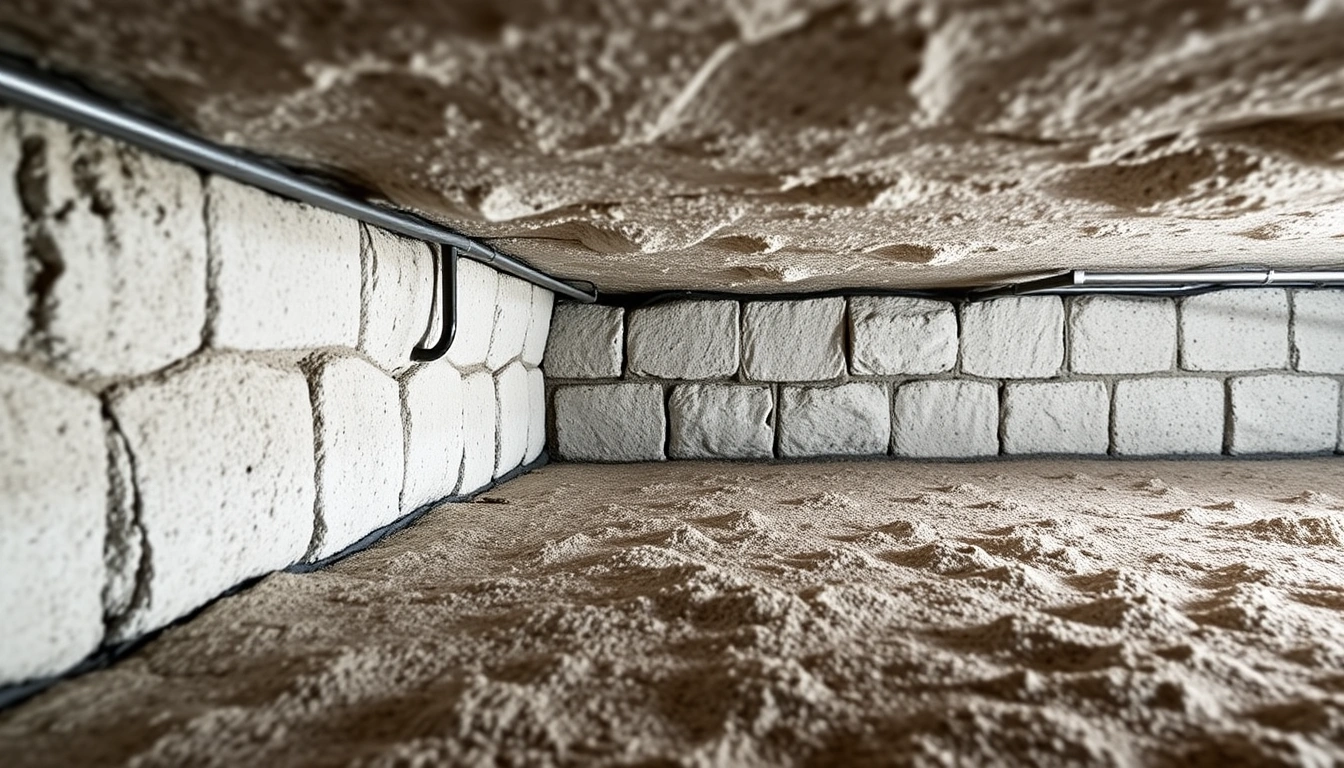
Midwest crawl space prices jump because no two crawl spaces have the same size, moisture pattern, or access conditions. Soil type, radon risk, insulation condition, and the amount of room a crew has around ductwork all change labor hours and material use.
In practice, the biggest cost drivers are standing water and cleanup time. Once a crawl space needs drainage correction or moldy fiberglass removal, the job stops being a liner install and becomes a repair project with encapsulation attached. That is why one bid can look fine and the next one feels like a shock.
What contractors usually price in
- Square footage of the crawl space.
- Condition of the subfloor, joists, and piers.
- Need for a crawl space dehumidifier.
- Whether vents, gaps, and access doors need sealing.
- Whether the project needs drainage or a sump pump.
Radon mitigation is sometimes folded into the same visit, especially in parts of the Midwest where buyers and sellers are already thinking about indoor air quality. That does not always add much to the quote, but it often changes the hardware and labor plan. A contractor who knows local conditions can prevent a second trip later and keep the project moving in the right order.
For a home in Des Moines, that difference can matter more than a prettier invoice. The best baseline is comparing the crawl space repair cost first, then the encapsulation liner, then the dehumidifier. That order keeps you from paying to seal in a wet problem.
Is crawl space encapsulation worth it in humid summers?
Yes, in many Midwest homes it is worth it in humid summers, especially if the crawl space smells musty, the floors feel damp, or the HVAC system pulls air from below. The biggest return is not flash. It’s moisture control, cleaner air, and less summer swelling in wood and insulation.
In July and August, crawl spaces that looked fine in February can turn sticky and sour once the dew point climbs. A sealed crawl space with a crawl space dehumidifier performs much better than venting alone in those months. Why? Summer air in the Midwest often carries more moisture than the crawl space can safely dump back into the house.
A good Midwest crawl space project is really a humidity project first and a liner project second.
That is also where ROI gets misunderstood. People ask whether encapsulation raises resale value, but the stronger case is risk reduction. If a buyer’s inspector sees damp insulation, efflorescence, or wood staining, the negotiated repair credit can be larger than the cost of doing the work early. In other words, the savings often come from avoiding bigger repairs later.
Want a practical test? Run a hygrometer in the crawl space for 7 days. If relative humidity sits above 60% for long stretches, the space is already asking for better moisture control. That is usually the point to act, not after the next odor complaint.
The mistake that cost me the most
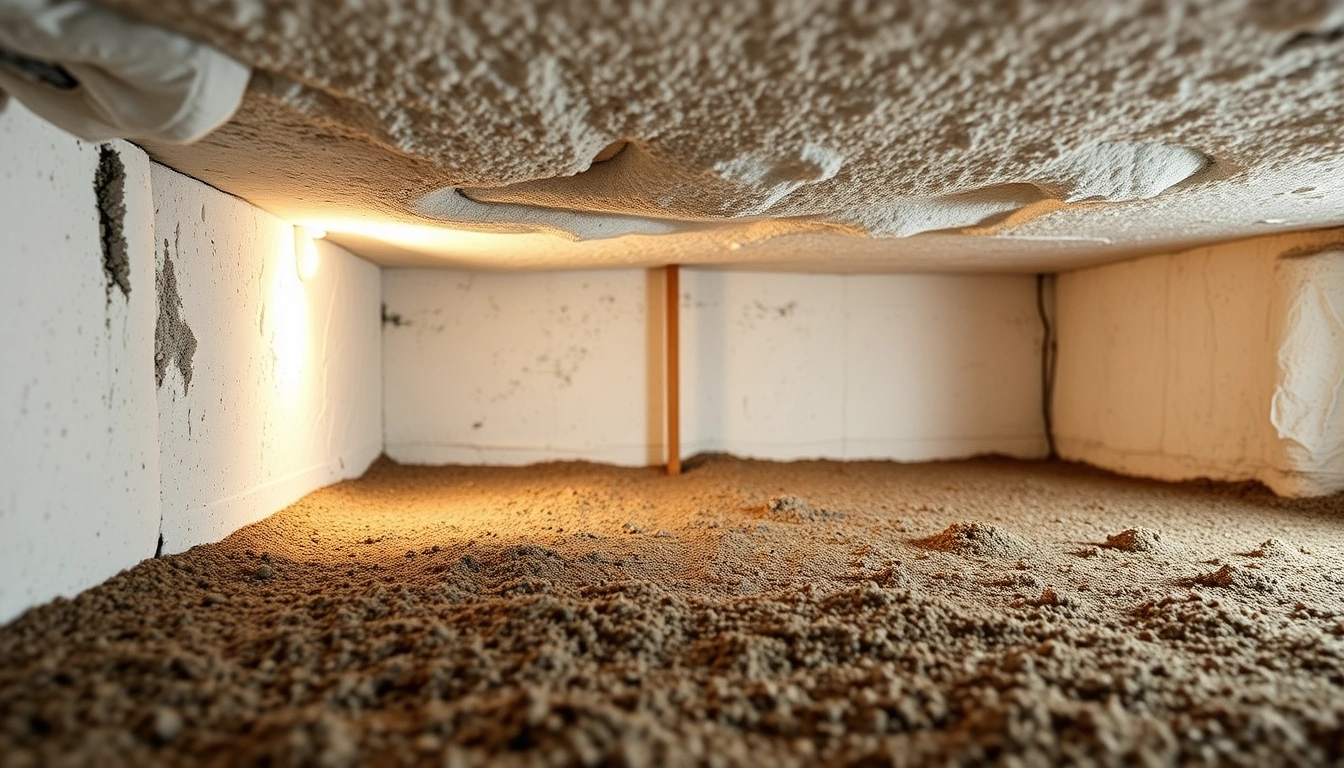
I made the biggest mistake by approving a vapor barrier install before fixing the water entry point. The crawl space looked clean after day one, but the liner floated slightly after a hard rain because one corner still had active seepage. That added $1,450 in drainage work I should have included in the first contract.
I had trusted the idea that a thicker liner would compensate for a damp foundation wall. It did not. The contractor had to return, open part of the encapsulation liner, add drainage mat, and reseal the edge. It took two extra days and turned a neat $7,200 project into something closer to $8,650.
The other problem was underestimating access. The entry hatch was 18 inches wide, so every roll of material, every bucket, and the dehumidifier had to be carried in piece by piece. That added labor I never saw on the estimate because the bid only counted square footage.
If I were pricing crawl space encapsulation cost midwest again, I’d ask for a written moisture diagnosis first, not just a materials list. That one change would have saved me a full weekend of delays and a repair change order. Painful, yes. Useful too.
What actually made the system work
The system worked because the crawl space liner was paired with sealing and a dehumidifier, not because any single product was magic. The three parts I would not skip are a sealed vapor barrier, closed vents or other air sealing, and a crawl space dehumidifier sized for the square footage.
For Midwest homes, I prefer a 12-mil or thicker liner in most cases because thin plastic tears too easily around piers and rough concrete. If the crawl space has frequent foot traffic for plumbing or wiring work, a more durable encapsulation liner is worth the extra cost. Cheap liner failures are not rare. They are predictable, especially in older crawl spaces.
My short list for a better quote
- Ask for liner thickness in mils, not just “heavy duty.”
- Ask whether the dehumidifier has a drain line or manual bucket.
- Ask if the quote includes vent sealing and access hatch sealing.
- Ask what happens if standing water is found after the old insulation comes out.
I also checked the company’s process against the EPA guidance for indoor moisture control and the U.S. Department of Energy guidance on crawl space insulation and air sealing. Those sources do not give you a price quote, but they do confirm the basic logic: moisture control matters more than cosmetic coverage.
One quote I reviewed used a Santa Fe dehumidifier, another used a standard appliance-style unit. The difference in price was about $600, but the better unit had a stronger track record for crawl space conditions. That kind of choice matters more than the brand on the invoice.
| Metric | Before | After | Change | Timeline |
|---|---|---|---|---|
| Relative humidity | 74% | 48% | -26 points | By Day 90 |
| Musty odor | Strong after rain | Light and occasional | Clear improvement | Month 2 |
| Visible condensation | Weekly | None observed | Eliminated | Week 3 |
| Utility impact | None tracked | Small increase from dehumidifier use | Expected trade-off | Month 1 |
The best Midwest crawl space projects I have seen always include one thing: a way to keep humidity below 60% after the crew leaves.
What happened after 30, 60, and 90 days
By Week 1, the biggest change was smell. The crawl space no longer hit me with the same wet-earth odor when I opened the hatch. By Month 2, the floor above it felt less cold and less spongy at the edges, which was the first sign the encapsulation liner and dehumidifier were doing their job.
By Day 90, the crawl space sat around 48% relative humidity on most days, down from 74% before the project. That is the kind of drop that makes the crawl space usable instead of suspicious. It also means the system is working in the range most contractors aim for, which is why the crawl space encapsulation cost midwest can be worthwhile when moisture is the real problem.
The timeline matters because homeowners often expect a same-day transformation. The liner goes in quickly, but drying the space, stopping air leaks, and stabilizing the humidity takes longer. The useful question is not whether the crawl space looks finished on day one. It is whether it still measures dry on Day 90.
When not to encapsulate yet
You should not encapsulate yet if the crawl space has active standing water, major wood rot, or an obvious structural issue. Fixing the water source or the crawl space repair problem first is usually the cheaper move, because encapsulation alone cannot carry a failing foundation.
That is also the point where homeowners should compare this project with broader foundation work. If you are seeing step cracks, sagging floors, or wall movement, the problem may be larger than moisture. Photos like the ones in these signs of foundation failure can help you sort cosmetic issues from structural ones.
In some homes, a contractor may recommend concrete leveling midwest before the crawl space package, especially if slab settlement is causing water to pool in the wrong place. That sequence is not exciting, but it is cheaper than sealing around a bad slope and calling it fixed.
I would also think carefully about radon testing before sealing vents. The Midwest has enough radon hot spots that a closed crawl space should be part of the indoor-air plan, not a guess. If the home already needs broader work, compare the full picture with the foundation repair midwest cost range before deciding.
How much does crawl space encapsulation cost in the Midwest?
For a typical Midwest home, crawl space encapsulation cost midwest is usually $5,000 to $15,000 in 2026, with a common middle range near $6,500 to $10,000. Smaller, dry spaces can come in lower; older homes with drainage or rot issues can go much higher.
The best way to estimate your own cost is to start with square footage, then add for moisture control and crawl space repair. A home in Des Moines may price differently from one in Milwaukee or Indianapolis because access, soil, and groundwater are not the same. For a city-specific example, compare local labor and repair conditions with the foundation repair cost breakdown for Des Moines.
If the quote does not mention a dehumidifier, drainage, or vent sealing, it is probably not a full Midwest encapsulation quote.
One thing I would not do is choose the lowest bid without asking what the liner covers and what it does not. A $4,200 quote can be a bargain or a bait-and-switch. The difference is whether the installer actually fixes the moisture path.
Common questions about crawl space encapsulation cost midwest
What is crawl space encapsulation?
Crawl space encapsulation is the process of sealing the crawl space with an encapsulation liner, closing air leaks, and controlling humidity. In most Midwest homes, it also includes a vapor barrier and a crawl space dehumidifier to keep relative humidity below 60%.
How do you prep a crawl space for encapsulation?
Prep starts with removing debris, old insulation, and any soaked material. If the space has standing water or rot, crawl space repair comes first. A contractor should also measure humidity, inspect vents, and check the access opening before installing the vapor barrier.
Encapsulation vs vented crawl space — which is better?
In most humid Midwest summers, encapsulation works better than a vented crawl space because outside air often brings in more moisture. A vented crawl space can stay damp longer in July and August, especially when the dehumidifier is absent and the home sits over clay soil.
Why is my crawl space still humid after encapsulation?
The most common reasons are water entry, an undersized dehumidifier, leaky access doors, or an incomplete vapor barrier install. If humidity stays above 60%, check for drainage issues first and then inspect the liner seams and the dehumidifier drain line.
How much does crawl space encapsulation cost in 2026?
In 2026, most Midwest homeowners pay $5,000 to $15,000 for crawl space encapsulation, with a typical range of $3 to $7 per square foot for standard work. Bigger jobs cost more when drainage, mold cleanup, or structural repairs are needed.
The bottom line
crawl space encapsulation cost midwest is worth attention only if the quote solves the moisture problem, not just the appearance problem. In a Midwest climate, the right project usually includes a vapor barrier, sealing, and a crawl space dehumidifier. Pick one thing from this article and try it this week: measure crawl space humidity for seven days before you call for bids.
If you are comparing repairs across the house, pair this with the bigger picture in Foundation Repair in the Midwest: Costs, Methods & When to Act by City. That keeps you from treating a crawl space symptom as the whole problem.
- Most Midwest crawl space encapsulation projects cost $5,000 to $15,000 in 2026.
- A full system usually needs a vapor barrier, sealing, and a crawl space dehumidifier to hold humidity below 60%.
- The cheapest quote is not always the best quote if drainage or crawl space repair is still unresolved.
- Measure humidity for 7 days before you bid the work, or you may price the wrong fix.
See also: foundation repair midwest cost
See also: foundation repair cost des moines
See also: signs of foundation failure photos
Related: structural engineer inspection
Related: helical pier capacity
Related: when to worry about foundation cracks
See also: concrete leveling midwest cost
See also: foundation repair midwest cost
See also: foundation problem statistics midwest